
RKE / RISOLNET KNOWLEDGE ENGINE
DAILY SCIENCE & TECHNOLOGY BRIEF
Today’s science and technology review brings together five developments announced or published on October 23, 2026. They range from the conclusion of one of NASA’s most productive astronomical missions to new experimental approaches in artificial intelligence, sustainable robotics, cancer biotechnology and infectious-disease research.
NASA’s Neil Gehrels Swift Observatory has completed its scientific operations after nearly 22 years in orbit. Researchers in Japan have demonstrated how machine learning can accelerate measurements of electronic structures in materials. Engineers have developed an edible sensor capable of continuously measuring inclination, while molecular biologists have investigated a way to restore the function of mutated tumour-suppressor proteins.
A fifth study identifies circulating molecules that may help predict which people with chronic Chagas infection will develop cardiac complications. The findings illustrate both the promise of increasingly sophisticated scientific tools and the importance of distinguishing experimental results from technologies ready for routine use.
Research scope: original studies and institutional announcements dated October 23, 2026, consulted on October 24. Where only an accessible abstract was available, the reporting is limited to that evidence.
Astronomy & Space
01
NASA’s Swift Observatory Ends Its Mission After Nearly 22 Years of Exploring the Changing Universe
The spacecraft that transformed rapid-response astronomy has completed its final observations, leaving behind an extensive archive of gamma-ray bursts, supernovae and other transient cosmic phenomena.

On October 23, 2026, NASA announced that the Neil Gehrels Swift Observatory had completed its scientific mission after almost 22 years of operations in low Earth orbit.
The spacecraft conducted its final scientific observation on October 20. By that date, its orbital altitude had fallen to approximately 275 kilometers, where increasing atmospheric drag made stable astronomical observations impractical.
Swift is expected to re-enter Earth’s atmosphere within the coming weeks. The precise timing of re-entry remains dependent on atmospheric conditions and the spacecraft’s evolving orbit.
Launched on November 20, 2004, Swift was originally designed for a two-year primary mission. Instead, it remained scientifically productive for more than ten times that duration.
Its central objective was the investigation of gamma-ray bursts, among the most energetic explosions known in the universe. These events can last from fractions of a second to several minutes and are associated with extreme astrophysical processes, including the collapse of massive stars and mergers involving compact stellar remnants.
Swift combined three instruments: the Burst Alert Telescope, the X-ray Telescope and the Ultraviolet/Optical Telescope.
This combination allowed the spacecraft to detect a gamma-ray burst, estimate its position and rapidly redirect its instruments toward the source. In favorable circumstances, the entire process took approximately one minute.
Such speed was particularly important because many high-energy astronomical events evolve rapidly. Their afterglows can fade before conventional observing programs have time to respond.
During its mission, Swift observed more than 2,000 gamma-ray bursts and over 1,400 supernova explosions. It also investigated stars disrupted by black holes, active galaxies, comets, asteroids and numerous other objects.
One major achievement came in May 2005, when Swift detected the X-ray afterglow of a short gamma-ray burst designated GRB 050509B. The burst itself lasted only approximately 0.03 seconds.
Rapid localization of such events helped establish the observational framework for investigating short gamma-ray bursts and their relationship to compact-object mergers.
Swift also became an exceptionally flexible astronomical observatory. Its operations system supported rapid target-of-opportunity observations and longer monitoring campaigns, sometimes scheduling as many as 75 independent targets in a single day.
According to NASA, the mission’s scientific archive includes more than 1.5 million ultraviolet and optical images, multiwavelength spectra and nearly 22 years of brightness measurements.
The publicly available dataset occupies approximately 12 terabytes and has contributed to roughly 7,000 scientific publications.
Although the spacecraft itself is approaching the end of its physical existence, the scientific value of its observations will continue through archival analysis and comparisons with data from newer observatories.
Analysis
Established facts: NASA confirmed the end of Swift’s scientific operations on October 23, 2026. Its final observation occurred on October 20, when the spacecraft had descended to approximately 275 kilometers.
Interpretation: Swift demonstrated the importance of rapid-response, multiwavelength astronomy. Its legacy is not limited to individual discoveries: it helped establish observing strategies that remain essential for studying transient events.
Limitations: The observatory has completed its mission, but its atmospheric re-entry has not yet occurred. The exact re-entry date cannot be inferred from the current altitude alone. NASA is evaluating how other observatories and future missions may preserve rapid-response capabilities.
Scientific significance: The mission’s extensive public archive will remain valuable for investigating long-term variability, identifying previously overlooked events and comparing historical observations with future astronomical discoveries.
Artificial Intelligence
02
Machine Learning Accelerates the Mapping of Electronic Structures in Advanced Materials
Researchers demonstrate how dimensionality reduction and unsupervised classification can reduce measurement requirements in spatially resolved photoemission spectroscopy without relying on artificially generated spectra.

A study published in Scientific Reports on October 23, 2026, introduces a machine-learning approach intended to accelerate spatially resolved angle-resolved photoemission spectroscopy, commonly abbreviated ARPES.
ARPES is a powerful experimental technique for studying the electronic properties of solid materials. By illuminating a sample and measuring the energy and emission angles of electrons leaving its surface, researchers can reconstruct important features of its electronic band structure.
The technique is particularly useful in condensed-matter physics and materials science, where understanding electronic behavior is essential for investigating superconductors, semiconductors and other advanced materials.
Spatially resolved ARPES extends these measurements across different positions on a sample. This makes it possible to examine materials containing multiple electronic domains or spatially varying properties.
However, collecting a high-quality spectrum at every measurement point requires considerable acquisition time.
Shorter measurements produce weaker signals relative to noise. This can make it difficult to distinguish genuine electronic features from random fluctuations.
The researchers, Masaki Imamura, Daijiro Koga and Kazutoshi Takahashi of Saga University in Japan, investigated whether machine learning could exploit redundancy within spatially resolved datasets.
In samples containing electronic domains, neighboring measurement positions often produce similar spectra. Instead of treating every position as entirely independent, the researchers used unsupervised classification to identify groups of locations with related spectral characteristics.
They compared approaches based on direct clustering of spectral vectors with methods incorporating principal component analysis, or PCA.
PCA reduces the dimensionality of a dataset by identifying combinations of variables that explain important patterns of variation.
According to the study, PCA-based dimensionality reduction maintained relatively high agreement with classifications obtained from high-signal-quality reference measurements, even when the input spectra contained substantially more noise.
Direct clustering without dimensionality reduction degraded more rapidly as signal quality decreased.
After identifying the domains, the researchers combined the original measured spectra belonging to each group.
This averaging step is important because it improves the effective signal quality without requiring the model to invent missing spectral features.
The proposed strategy could therefore reduce the time required to map electronic domains while preserving meaningful information about their characteristic spectra.
The broader scientific benefit may be improved efficiency at specialized experimental facilities, where instrument availability and measurement time are limited resources.
Analysis
Established facts: The peer-reviewed study demonstrates that PCA-based dimensionality reduction improves the robustness of unsupervised electronic-domain classification under reduced signal-to-noise conditions.
Interpretation: Machine learning can improve scientific measurement efficiency by identifying redundant information and guiding how experimental data are combined. This approach may be valuable in other measurement techniques involving spatially repeated signals.
Limitations: The method depends on the presence of sufficiently similar spectra within identifiable domains. Its performance may be less favorable when electronic properties vary continuously or when important local features are not represented by the domain averages.
Evidence scope: The summary is based on the accessible abstract and publication metadata. The article does not establish a universal acceleration factor applicable to every ARPES experiment.
Technology
03
Engineers Develop an Edible Sensor That Continuously Measures a Robot’s Tilt
A capacitive device constructed from food-compatible materials provides continuous orientation measurements, advancing research into temporary and potentially digestible robotic systems.
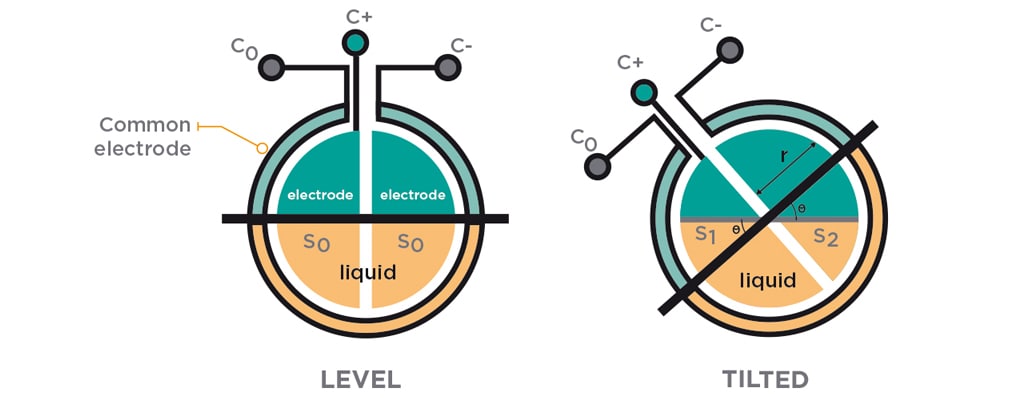
A study published in Scientific Reports on October 23, 2026, describes an edible capacitive tilt sensor designed for future applications in sustainable and transient robotics.
The research was conducted by engineers associated with the University of Bristol and Harvard University.
Edible robotics is an emerging research field that investigates whether functional robotic components can be manufactured from materials suitable for consumption or biological degradation.
Possible future applications include temporary environmental devices, robotic food systems and specialized ingestible technologies.
An autonomous robot requires information about its own physical state. Orientation and inclination are particularly important because they help determine how a machine should respond to gravity, movement and changes in position.
Previous edible tilt-sensing technologies were limited to binary outputs, indicating whether a particular orientation threshold had been crossed.
Such devices could distinguish between two states but could not continuously measure how far the robot had tilted.
The new sensor addresses this limitation through a capacitive measurement principle.
Capacitance describes the ability of a system to store electrical charge. In a suitable sensor geometry, changes in the distribution of a dielectric material alter the measured capacitance.
The researchers constructed their device using a gelatine compartment coated with wax, graphite electrodes and an edible dielectric sensing liquid.
As the sensor changes orientation, the liquid distribution changes, producing a corresponding variation in capacitance.
Unlike a simple on-off tilt switch, the resulting signal can represent a continuous range of inclination angles.
The authors report an operating range from approximately 0 to 80 degrees, with a sensitivity of 2.34 percent per degree and repeatable measurements under their experimental conditions.
The capacitive approach was also selected because its operating principle can reduce some of the difficulties associated with resistive sensors in environments affected by temperature and humidity.
The researchers demonstrated the sensor’s potential for robotic control, showing how inclination information can be used as part of a system’s response to movement.
The result represents another step toward integrating sensing, actuation and structural materials into robotic systems that do not necessarily need to persist indefinitely in the environment.
Analysis
Established facts: The peer-reviewed study reports a capacitive edible tilt sensor with continuous inclination measurement over an approximately 80-degree operating range. The device uses gelatine, wax, graphite and an edible dielectric liquid.
Interpretation: Continuous sensing could improve the control capabilities of future edible or biodegradable robots. The research also illustrates how conventional electronic measurement principles can be adapted to unconventional materials.
Limitations: This is an experimental sensor, not a commercially available ingestible medical device. Edibility of the constituent materials does not establish that a complete autonomous robotic system is safe for human consumption.
Evidence scope: Performance figures are taken from the accessible abstract. Long-term reliability, manufacturing scalability and operation in complex biological environments require additional investigation.
Biotechnology
04
Engineered Transfer RNAs Restore Tumour-Suppressor Activity in Experimental Cancer Models
Researchers use suppressor transfer RNAs to overcome selected premature stop mutations in TP53, restoring functional p53 protein and reducing tumour growth in preclinical experiments.
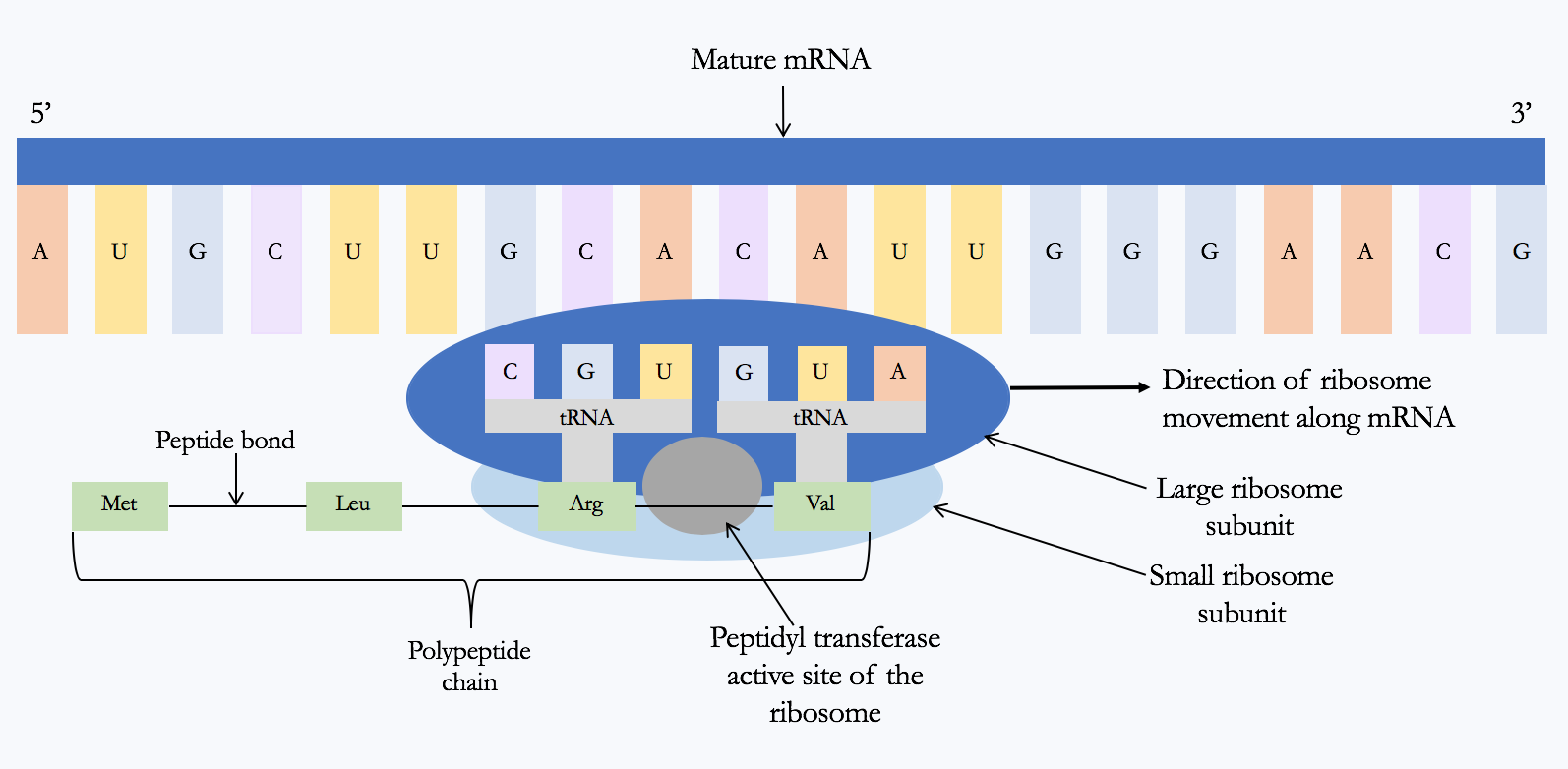
A study published in Nature Communications on October 23, 2026, reports a strategy for restoring the function of tumour-suppressor proteins that have been disrupted by certain genetic mutations.
Tumour-suppressor genes help regulate cellular processes that prevent uncontrolled proliferation. Among the best-known examples is TP53, which encodes the p53 protein.
P53 participates in cellular responses to DNA damage and other forms of stress. Depending on the circumstances, it can influence cell-cycle regulation, DNA repair and programmed cell death.
Mutations that disrupt TP53 are common in many cancers. Some of these mutations introduce premature stop signals into the genetic instructions used to produce the protein.
These are known as nonsense mutations. They can cause protein synthesis to terminate before the full protein has been produced, resulting in a shortened and frequently nonfunctional molecule.
The researchers investigated whether specially engineered suppressor transfer RNAs could overcome selected premature stop signals.
Transfer RNAs normally deliver amino acids to ribosomes during protein synthesis. Each transfer RNA helps match an amino acid with the corresponding genetic instruction in messenger RNA.
Suppressor transfer RNAs are designed to recognize particular stop codons and permit translation to continue.
In the reported experiments, the researchers used suppressor tRNAs to restore full-length p53 production from several nonsense-mutant TP53 sequences.
The team also employed computational modeling to guide suppressor tRNA design and investigate which amino acids could be incorporated at the mutation site.
Some restored p53 variants exhibited greater transcriptional activity than the corresponding wild-type protein under the tested conditions.
In cellular experiments, the engineered suppressor tRNAs reduced cancer-cell colony area by as much as 82 percent.
The researchers then investigated delivery through lipid nanoparticles, a technology already widely studied for transporting nucleic acids into cells.
In two mouse xenograft models carrying nonsense-mutant TP53, lipid-nanoparticle delivery of suppressor tRNAs reduced tumour volume by up to 74 percent.
The study also evaluated combination treatment with nab-paclitaxel chemotherapy.
According to the authors, the combined approach produced a maximum tumour-volume reduction of 93 percent in the investigated mouse models.
These findings demonstrate that targeted manipulation of protein translation can restore biological activity in selected experimental systems.
They also suggest a possible route for investigating genetic alterations that have historically been difficult to address with conventional small-molecule drugs.
Analysis
Established facts: The peer-reviewed study demonstrates restoration of p53 activity using engineered suppressor tRNAs and reports reductions in tumour growth in cell-based and mouse xenograft experiments.
Interpretation: Suppressor tRNAs may provide a way to address selected nonsense mutations by intervening during protein synthesis rather than permanently altering genomic DNA.
Limitations: The results are preclinical. They do not demonstrate therapeutic efficacy or safety in human cancer patients. The approach is specifically relevant to selected premature stop mutations and cannot be generalized to every TP53 alteration.
Additional considerations: Future development must address tissue-specific delivery, unintended translation readthrough, immune responses, durability and long-term safety. The authors report no detectable toxicity in the investigated mouse models, but that finding does not establish clinical safety.
Evidence scope: The numerical outcomes and molecular mechanism are summarized from the accessible abstract. The complete experimental dataset was not independently reanalyzed.
Life Sciences
05
Blood Metabolites May Help Predict Cardiac Disease Progression in Chronic Chagas Infection
A metabolomics study identifies candidate molecular markers associated with future cardiac complications, opening a possible route toward more individualized risk assessment.

A study published in Nature Communications on October 23, 2026, identifies circulating small molecules that may help predict which people with chronic Chagas disease will develop cardiac complications.
Chagas disease is caused by infection with the protozoan parasite Trypanosoma cruzi. It remains a significant public-health problem, particularly in Latin America.
The researchers estimate that approximately 10.5 million people worldwide are affected by the infection.
One of the major clinical challenges is the unpredictable course of chronic disease.
Many infected individuals remain without clinically significant symptoms for long periods. However, approximately 20 to 30 percent of chronically infected people eventually develop important cardiac complications.
These complications may include abnormalities in cardiac conduction, rhythm disturbances and progressive impairment of heart function.
Identifying people at greater risk before substantial cardiac damage develops could help clinicians plan surveillance and evaluate potential interventions.
The researchers investigated whether circulating metabolites could provide useful information about future disease progression.
Metabolites are small molecules produced or modified during biological processes. Their concentrations can reflect changes in cellular metabolism, inflammation and other physiological pathways.
The team used untargeted liquid chromatography coupled with mass spectrometry to investigate serum samples.
Complementary chromatographic methods were combined with statistical analysis, machine-learning feature selection and receiver operating characteristic analysis.
The objective was to identify molecules or combinations of molecules associated with later progression from asymptomatic chronic infection to cardiac Chagas disease.
The investigators identified eight individual metabolite biomarkers and 45 combinations of biomarkers associated with progression status.
Ten of the combined panels met sensitivity and specificity criteria defined in a target product profile for Chagas treatment-response biomarkers.
The candidate biomarkers were subsequently examined using targeted analytical measurements.
An important feature of the work is its focus on baseline measurements. Rather than simply identifying molecules associated with existing cardiac disease, the researchers investigated whether earlier metabolic profiles contained information about future clinical outcomes.
This distinction is important for the development of prognostic tools.
A diagnostic biomarker may help establish whether a condition is currently present. A prognostic biomarker attempts to estimate the likelihood of future progression or complications.
The findings provide a foundation for further investigation of blood-based tests that could eventually support risk stratification in chronic Chagas disease.
However, translating a candidate biomarker panel into clinical practice requires additional validation, including testing in independent populations and demonstrating that the results improve medical decision-making.
Analysis
Established facts: The peer-reviewed study identifies eight individual metabolites and 45 biomarker panels associated with cardiac disease progression. Ten panels met predefined sensitivity and specificity criteria in the investigators’ analysis.
Interpretation: Metabolomic profiling may provide information about biological changes that precede clinically evident cardiac complications. Such information could eventually complement conventional monitoring methods.
Limitations: These are candidate prognostic biomarkers, not a validated clinical screening test. Performance in independent populations, reproducibility across laboratories and clinical usefulness remain to be established.
Clinical distinction: The reported biomarkers concern disease progression in people infected with Trypanosoma cruzi. They should not be generalized to other causes of cardiomyopathy or used independently to guide treatment decisions.
Evidence scope: The summary is based on the accessible abstract and publication metadata. The complete statistical models and underlying datasets were not independently reanalyzed.
The RKE Signal
Today’s scientific developments reveal a recurring theme: progress increasingly depends on extracting useful information from systems that are complex, noisy, temporary or difficult to control.
NASA’s Swift Observatory illustrates the long-term value of rapid observations. Its instruments were designed to respond to astronomical events that might disappear before conventional telescopes could investigate them. Nearly 22 years later, the spacecraft’s scientific archive remains a resource for future research.
The machine-learning approach to ARPES addresses a different form of observational limitation. By recognizing similarities among measurements, researchers can reduce acquisition requirements while preserving information about electronic structures.
In robotics, the development of an edible capacitive tilt sensor demonstrates how familiar engineering principles can be adapted to unusual material constraints. A device that measures continuous inclination may eventually support more capable transient robotic systems.
The biotechnology study involving suppressor tRNAs investigates how molecular machinery can be redirected to restore the production of selected tumour-suppressor proteins. Its experimental results are encouraging, but the distance between tumour regression in mouse models and effective treatment in humans remains substantial.
The Chagas metabolomics study addresses another challenge: predicting future outcomes from biological information available before symptoms become clinically significant. Candidate circulating biomarkers could eventually help distinguish patients with different risks of disease progression.
These developments also highlight the importance of scientific restraint. Swift’s mission has ended, but its archive remains active as a research resource. Machine-learning methods require validation across experimental conditions. Edible sensors are not automatically safe medical devices. Suppressor tRNA treatments remain preclinical, while candidate metabolite biomarkers require independent clinical validation.
The common lesson is that better scientific tools do more than generate additional data. They help researchers decide which signals matter, how reliably those signals can be measured and what conclusions can legitimately be drawn from them.