
RKE / RISOLNET KNOWLEDGE ENGINE
SCIENCE & TECHNOLOGY NEWS REVIEW
Today’s science and technology review examines five peer-reviewed studies published on October 24, 2026. Together, they illustrate how progress in artificial intelligence, medical robotics, renewable energy, molecular biotechnology and infectious-disease research increasingly depends on extracting reliable information from complex systems.
An international survey of neurosurgeons identifies the explanations clinicians find most useful when interpreting AI-generated anatomical information. A new dataset combines vision-language models and human review to support research into rooftop photovoltaic assessment. Meanwhile, engineers have developed a lightweight robotic ultrasound system capable of acquiring clinically interpretable liver images in conventional and challenging environments.
Two biological studies explore mechanisms operating at the molecular level. Researchers identify how a microRNA helps breast cancer cells suppress innate immune responses, while another team introduces a targeted genomic sequencing approach that reveals differences among populations of the intestinal parasite Cryptosporidium.
All five papers were published on October 24, 2026. Two had earlier publicly available preprint versions. The findings reported here are limited to the accessible abstracts and publication metadata. Experimental results, possible applications and remaining uncertainties are distinguished throughout.
01
Neurosurgeons Prefer AI Systems That Clearly Communicate Their Uncertainty
An international survey of 47 neurosurgeons examines how different explanation techniques influence the perceived usefulness of artificial intelligence during high-risk anatomical navigation.
Artificial intelligence is becoming increasingly capable of identifying anatomical structures in medical images and surgical video. However, accurate predictions alone may not be sufficient for clinicians working in environments where incorrect information can have serious consequences.
A study published in Scientific Reports on October 24, 2026, investigates which explanation techniques neurosurgeons consider most useful when interpreting AI-generated anatomical segmentations.
The researchers conducted an international cross-sectional survey involving 47 neurosurgeons. Endoscopic pituitary surgery was selected as an example of a high-risk procedure in which recognizing anatomical boundaries is particularly important.
The participants evaluated five approaches to explaining AI predictions: numerical certainty scores, spatial certainty maps, saliency maps, scene similarity scores and nearest-neighbour illustrations.
These techniques provide different kinds of information. A certainty score communicates how confident a model is in a prediction, while a certainty map indicates where uncertainty is concentrated within an image.
Saliency maps attempt to identify image regions influencing a prediction. Similarity-based approaches instead show relationships between the current image and previously encountered examples.
The neurosurgeons ranked the techniques and evaluated them using a modified Explanation Satisfaction Scale. The researchers also collected qualitative feedback.
Certainty-based explanations consistently received the highest rankings and ratings.
Participants particularly valued explanations that communicated confidence and made anatomical boundaries easier to interpret. These features aligned more closely with the information surgeons normally consider when making decisions.
Saliency maps and similarity-based explanations were generally considered less directly relevant to clinical decision-making, although participants identified potential educational applications.
The results suggest that clinical AI systems may benefit from interfaces designed around the practical information needs of their users rather than explanations selected primarily for their technical sophistication.
A numerical confidence estimate or a clearly displayed region of uncertainty may be more immediately useful during surgery than a complex visualization of the model’s internal reasoning.
However, the study evaluates clinicians’ preferences, not whether these explanations improve surgical outcomes.
Analysis
Established facts: The peer-reviewed study surveyed 47 neurosurgeons and found that certainty-based explanations were preferred over saliency- and similarity-based approaches for interpreting AI-generated anatomical information.
Interpretation: Effective clinical AI may depend as much on communicating uncertainty as on producing accurate predictions. Systems that help clinicians recognize the limits of an algorithm could support more appropriate human oversight.
Limitations: The findings describe perceived usefulness and acceptability. They do not demonstrate improved patient safety, surgical performance or calibrated trust during actual procedures. Prospective evaluations are required.
Publication history: A preprint version of this research was publicly available in June 2026. October 24 marks its peer-reviewed journal publication rather than its first public disclosure.
02
A New Human-Reviewed Dataset Could Improve AI Analysis of Rooftop Solar Potential
Researchers release thousands of annotated aerial images to investigate how human reviewers and vision-language models interpret roof surfaces and obstacles relevant to photovoltaic planning.

Estimating the photovoltaic potential of buildings requires more than measuring their total roof area. Roof geometry, orientation and the presence of obstacles influence how much space may be suitable for solar panels.
Artificial intelligence can help automate the interpretation of aerial photographs, but developing reliable systems requires accurately annotated training and evaluation data.
A Data Descriptor published in Scientific Data on October 24, 2026, introduces RoofeNet-Multi, a dataset designed to support research into rooftop interpretation using computer vision and vision-language models.
The dataset contains 12,761 annotation sets associated with 5,359 building-centered orthophoto tiles from the Czech Republic.
The researchers combined machine-generated proposals with human review. Each image received an initial annotation produced by a Google Gemini vision-language model.
Human reviewers could subsequently edit existing bounding boxes, remove incorrect annotations or add missing objects.
The release includes 7,402 human review outputs alongside one matched machine-generated proposal for each image.
The annotation schema distinguishes flat and pitched roof planes and identifies rooftop obstructions. These categories are relevant because different roof configurations create different constraints for photovoltaic installation.
One important feature of the dataset is its treatment of disagreement among reviewers.
Of the 5,359 images, 1,502 have at least two human review outputs, while 3,857 have one.
The multi-reviewer subset can therefore support investigations into how consistently different people interpret the same rooftop structures.
However, the authors emphasize an important methodological limitation: every human annotation began with a machine-generated proposal.
Consequently, the human outputs are not independent of the vision-language model or necessarily independent of one another in their initial interpretation.
This matters because machine-generated suggestions may influence how reviewers identify objects or resolve ambiguous structures.
The researchers also note that the dataset contains axis-aligned bounding boxes rather than detailed polygon geometry and does not provide georeferencing.
It is therefore suitable for image-space detection research and comparisons between human and AI annotations, but it cannot directly support engineering-grade estimates of photovoltaic installation capacity.
The contribution is primarily a research resource: a structured dataset that may help scientists develop and evaluate more reliable image-interpretation methods.
Analysis
Established facts: RoofeNet-Multi contains 12,761 annotation sets covering 5,359 images, including 7,402 human review outputs. The dataset records both AI-generated proposals and subsequent human modifications.
Interpretation: Recording the relationship between machine suggestions and human corrections could improve research into annotation quality, reviewer disagreement and human-AI collaboration.
Limitations: The dataset does not establish the accuracy of a completed photovoltaic assessment system. Its annotations are not fully independent, coverage is uneven and the available geometry is insufficient for detailed engineering calculations.
Practical significance: The research may contribute to better tools for preliminary rooftop analysis, but installation planning still requires reliable geometric information, structural assessment and other site-specific data.
03
A Lightweight Ultrasound Robot Performs Autonomous Liver Scanning Beyond Conventional Clinical Settings
A patient-mounted robotic system combines tactile feedback, visual information and AI trained on expert sonographers to acquire clinically interpretable liver images under challenging conditions.

Ultrasound imaging is widely used because it can provide real-time anatomical information without ionizing radiation. However, acquiring consistent diagnostic images requires considerable technical expertise.
The operator must position the transducer correctly, maintain suitable contact with the patient’s body and identify anatomical structures that may not initially be visible.
Respiratory motion, anatomical variability and changes in patient position make the procedure more challenging.
A study published in Nature Communications on October 24, 2026, describes a lightweight autonomous robotic system developed to address some of these limitations in liver sonography.
The system includes a decoupled robotic end-effector weighing 588 grams. Rather than relying on a large conventional robotic arm, the device attaches directly to the patient’s abdomen.
This configuration is intended to maintain stable contact force and controlled movement while accommodating breathing and external disturbances.
The robot is controlled by an artificial intelligence agent trained using trajectories collected from experienced sonographers.
The agent combines spatial, tactile and visual feedback to guide the ultrasound probe toward standard imaging planes.
A particularly difficult aspect of liver ultrasound is that relevant anatomical structures may not remain continuously visible during probe movement.
The researchers designed the control system to navigate these discontinuous acoustic windows while maintaining useful imaging conditions.
The team evaluated the system in 102 healthy participants and 17 patients.
According to the authors, the robot acquired clinically interpretable images and produced anatomical measurements closely matching clinical reference measurements.
The researchers also investigated applications outside conventional hospital environments.
One deployment involved screening for hepatic echinococcosis in a high-altitude, resource-limited setting on the Qinghai-Tibet Plateau.
Additional evaluations examined the system’s performance during movement and disturbances, including vehicle-based scanning.
These experiments address an important challenge for medical robotics: maintaining measurement quality when the environment is less controlled than a conventional examination room.
The findings suggest that compact robotic ultrasound systems could eventually extend access to standardized imaging in locations where experienced operators are difficult to obtain.
Nevertheless, the study represents an experimental demonstration rather than evidence that autonomous ultrasound can already replace specialist clinical assessment.
Analysis
Established facts: The peer-reviewed study reports a 588-gram robotic end-effector, AI-guided autonomous scanning and evaluations involving 102 healthy participants and 17 patients. The system was also tested in challenging environmental conditions.
Interpretation: Patient-mounted robotics may offer advantages over large external robotic systems when portability, motion compensation and consistent probe contact are important.
Limitations: The reported evaluations do not establish general diagnostic accuracy across liver diseases or demonstrate that the system is suitable for unsupervised clinical deployment. Larger and more diverse clinical studies are necessary.
Publication history: An earlier preprint describing the lightweight autonomous liver ultrasound system was available in October 2025. The October 24, 2026 publication represents the peer-reviewed journal version.
Broader significance: The combination of compact hardware and AI-guided acquisition illustrates a potential direction for medical technology: moving selected imaging capabilities closer to patients while preserving professional oversight.
04
Researchers Identify a MicroRNA That Helps Breast Cancer Cells Escape Immune Detection
A molecular study reveals how miR-30d suppresses two stages of the cGAS-STING immune signaling pathway, suggesting a possible experimental strategy for improving antitumour immune responses.
The immune system can recognize abnormal cellular activity through several molecular surveillance mechanisms. One important pathway detects DNA that appears in locations where it would not normally be present.
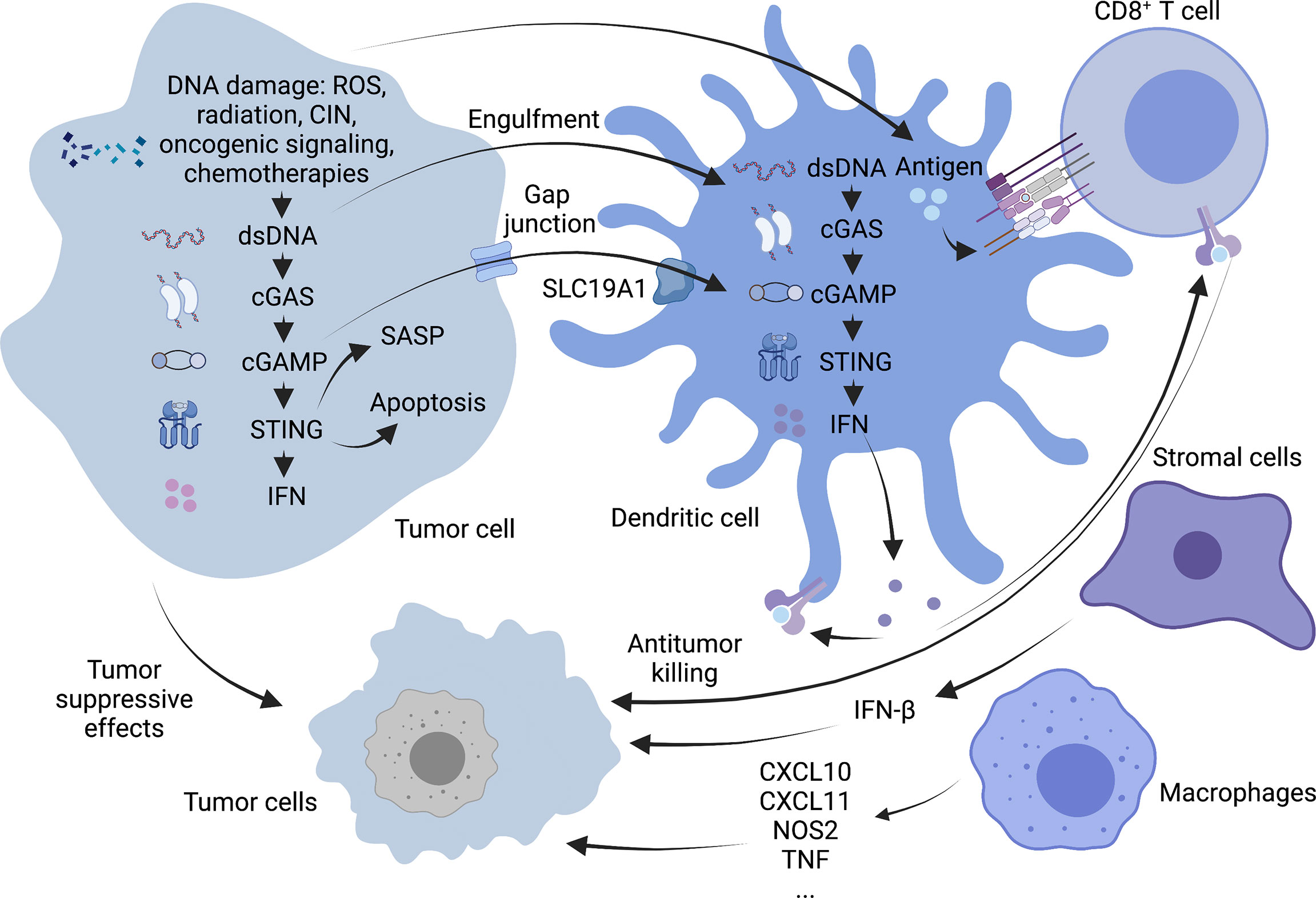
The cGAS-STING pathway responds to DNA in the cytoplasm and can activate signaling processes involved in innate immunity, including the production of type I interferons.
These responses may help the immune system recognize and attack abnormal cells.
However, cancer cells can develop mechanisms that interfere with immune surveillance.
A study published in Nature Communications on October 24, 2026, identifies a previously characterized microRNA, miR-30d, as an important regulator of immune suppression in breast cancer.
MicroRNAs are short RNA molecules that influence gene expression after transcription. They can regulate the production of proteins involved in cellular growth, signaling and other biological functions.
The researchers found that miR-30d operates through two mechanistically distinct processes.
The first involves maintaining the integrity of the nuclear envelope, the membrane structure separating the cell nucleus from the surrounding cytoplasm.
According to the study, miR-30d influences nuclear envelope stability through a regulatory axis involving LATS2, YAP and Lamin B1.
By helping preserve nuclear integrity, this mechanism limits nuclear rupture and the leakage of genomic DNA into the cytoplasm.
This reduces one of the signals that would otherwise activate the DNA sensor cGAS.
The second mechanism operates farther downstream in the same immune signaling pathway.
MiR-30d interferes with the movement of STING from the endoplasmic reticulum to the Golgi apparatus.
This trafficking step is important for activating subsequent signaling components, including TBK1.
By disrupting STING trafficking, miR-30d limits the propagation of immune signals even when upstream activation might otherwise occur.
The researchers then investigated the consequences of inhibiting miR-30d.
According to the authors, inhibition restored cGAS activation and STING trafficking, increased type I interferon responses and enhanced antitumour immunity in their experimental systems.
The study also reports suppression of tumour growth and improved responsiveness to immune checkpoint blockade.
These findings identify a potential molecular vulnerability in cancer cells that suppress innate immune signaling.
The research is particularly interesting because it connects nuclear envelope integrity, intracellular membrane trafficking and immune regulation through a single microRNA-dependent mechanism.
Analysis
Established facts: The peer-reviewed study identifies miR-30d as a regulator of nuclear envelope integrity and STING trafficking. Its inhibition enhanced innate immune signaling and antitumour responses in the experimental systems described by the authors.
Interpretation: Targeting molecular mechanisms that suppress innate immunity could complement existing approaches to cancer immunotherapy. The involvement of two distinct regulatory processes makes miR-30d a potentially interesting research target.
Limitations: The findings do not establish an approved treatment or demonstrate clinical benefit in patients with breast cancer. Therapeutic delivery, specificity, safety and effectiveness require further investigation.
Evidence scope: The molecular mechanism and experimental outcomes are summarized from the accessible abstract. The complete experimental dataset and the magnitude of individual treatment effects were not independently assessed.
Scientific significance: The study expands understanding of how tumour cells coordinate structural and signaling mechanisms to limit immune recognition.
05
A New Genomic Capture Method Reveals How Cryptosporidium Populations Adapt to Different Hosts
Researchers develop a targeted sequencing strategy that recovers parasite genomic information directly from clinical samples, helping distinguish lineages associated with human and animal transmission.
Cryptosporidium is a genus of microscopic parasites capable of causing gastrointestinal infection in humans and animals.
Infection can produce diarrhea and may be particularly dangerous for young children and people with weakened immune systems.
Understanding how different Cryptosporidium populations circulate among hosts is important for investigating transmission patterns and the evolutionary relationships among parasite lineages.
Genomic sequencing can provide this information, but obtaining sufficient parasite DNA from clinical samples is often difficult.
Cryptosporidium is commonly detected in stool samples, where parasite material may be present in relatively small quantities and mixed with much larger amounts of DNA from other organisms.
A study published in Nature Communications on October 24, 2026, introduces a targeted genomic enrichment method designed to overcome this limitation.
The researchers developed a system called CryptoCap_75K, which uses 74,973 RNA capture probes to enrich Cryptosporidium genomic DNA directly from stool samples.
The probe collection targets approximately 8.2 megabases of genomic sequence derived from gene-rich regions of the Cryptosporidium parvum reference genome.
The authors report that the method can recover genome-wide information with sufficient sequencing depth and coverage from samples containing as few as 25 parasite oocysts.
Oocysts are environmentally resistant parasite stages involved in transmission.
Recovering genomic information from such limited starting material could expand the range of clinical samples suitable for population genetic studies.
The researchers also addressed a common problem in genomic analysis: reference bias.
When sequencing reads are aligned against a single reference genome, genetic differences in more divergent populations may be incompletely represented.
To reduce this limitation, the team used a dual-mapping strategy involving reference sequences from both C. parvum and C. ubiquitum.
This approach helped capture lineage-specific genetic variation that might otherwise be overlooked.
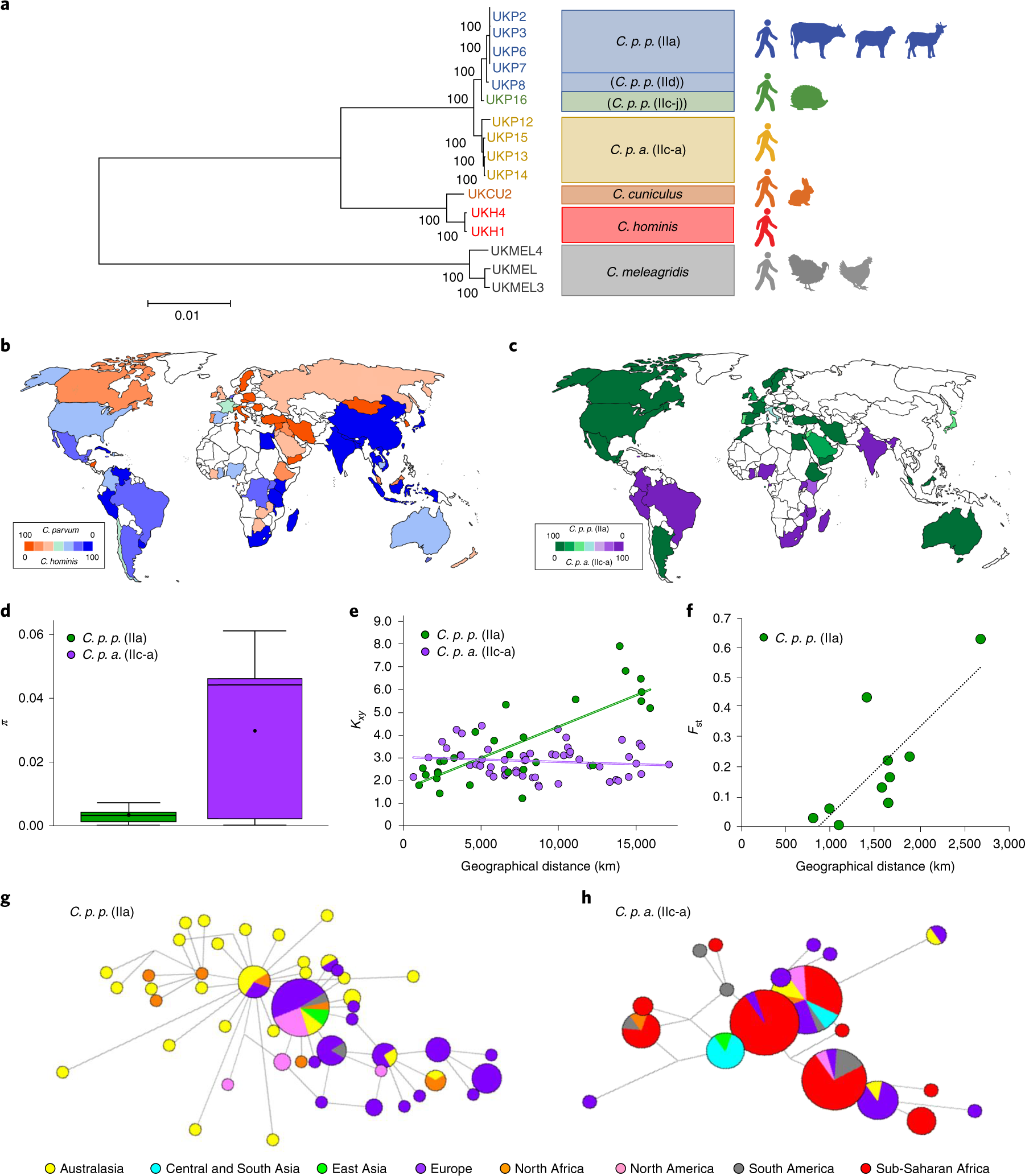
The researchers then applied phylogenetic network analysis, haplotype comparisons and admixture analysis to investigate relationships among parasite populations.
Their results identified three groups within C. ubiquitum, designated A, B and C.
In the analyzed material, groups A and B were associated exclusively with human hosts, while group C showed zoonotic characteristics.
Zoonotic transmission refers to infections that can pass between animals and humans.
Group B also showed evidence of genetic admixture, suggesting a more complex evolutionary history.
The researchers identified group-associated genetic differences concentrated within particular genomic regions.
These patterns suggest that conserved blocks of genetic variation may be associated with adaptation to different hosts.
The study provides a new technical approach for investigating parasite population structure directly from clinical material, potentially reducing dependence on samples containing large quantities of parasite DNA.
Analysis
Established facts: The peer-reviewed study introduces a genomic capture method using 74,973 RNA probes and reports successful sequencing from samples containing as few as 25 oocysts. The researchers identify three C. ubiquitum groups with different host associations.
Interpretation: Improved genomic recovery from low-parasite-load samples could support more detailed investigations of transmission, population structure and host adaptation.
Limitations: The findings do not establish a new routine diagnostic test or demonstrate that genomic sequencing alone can determine the source of an individual infection. Host associations are based on the populations analyzed and require interpretation within their epidemiological context.
Scientific significance: The method may provide a foundation for future genomic association studies and investigations into how Cryptosporidium populations circulate between humans and animals.
Evidence scope: The reported probe numbers, sequencing performance and population genetic findings are taken from the accessible abstract. The complete genomic dataset was not independently reanalyzed.
The RKE Signal
Today’s research highlights a common scientific challenge: turning complex information into reliable decisions without overlooking uncertainty, context or the limitations of available evidence.
The neurosurgical AI study demonstrates that the usefulness of an algorithm cannot be evaluated solely through its technical capabilities. Clinicians also need explanations that fit their decision-making processes. Confidence estimates and spatial uncertainty maps may provide more immediately useful information than complex visualizations of internal model behavior.
The RoofeNet-Multi dataset approaches reliability from another direction. By preserving both machine-generated annotations and human corrections, it creates opportunities to study how people interact with AI suggestions. At the same time, it reveals a fundamental methodological problem: human judgments influenced by a common machine-generated starting point are not fully independent observations.
The autonomous ultrasound robot illustrates how artificial intelligence can move beyond data interpretation into physical interaction with the world. Combining learned expert behavior with tactile and visual feedback allows the system to respond to changing anatomical and environmental conditions. Its experimental results are promising, but clinical deployment will require additional evidence.
In biotechnology, the miR-30d study reveals how cancer cells may coordinate several molecular mechanisms to suppress immune detection. The findings identify a possible therapeutic research direction while emphasizing the distance between demonstrating a mechanism and developing an effective treatment.
The Cryptosporidium sequencing study addresses the difficulty of extracting meaningful genomic information from samples containing very little parasite material. Its capture-based approach may help researchers distinguish population structure and host-associated variation with greater resolution.
These studies operate at different scales, from individual RNA molecules to clinical imaging systems and large image datasets. Yet they share an important principle: scientific progress often depends on improving the quality and interpretation of measurements rather than simply collecting more information.
They also demonstrate why research findings must be interpreted within their actual experimental scope. Surgeon preferences are not clinical outcome measurements. A dataset is not a complete photovoltaic planning system. A successful robotic imaging demonstration is not evidence of unrestricted clinical autonomy. Molecular mechanisms are not approved therapies, and genomic associations do not automatically establish individual transmission histories.
The RKE Signal for October 25 is therefore clear: the next generation of scientific tools will be defined not only by what they can measure or predict, but by how reliably they communicate uncertainty, preserve context and support informed human judgment.