RKE / RISOLNET KNOWLEDGE ENGINE
The USB-C Cable That Made iOS 27 Look Guilty
An iPhone that suddenly struggled to last until evening. A charging icon that seemed reassuring. And a USB-C cable that became the leading suspect. A real-world investigation into battery life, wired Apple CarPlay and the difference between being connected and receiving enough power.
The mystery
01
Where Did the Battery Go?
The symptoms suggested a sudden loss of battery endurance. The explanation turned out to involve the charging routine.
After several weeks of apparently normal operation on iOS 27.0.1, an iPhone suddenly seemed unable to make it through the day. There were no obvious changes in daily usage, no particularly suspicious applications and no clear explanation.
The reported battery information showed 89% maximum capacity, 571 charge cycles and a normal battery health status. The battery had certainly aged, but those figures alone could not explain the apparently abrupt change in daily endurance.
Could the operating system be responsible? Background activity? A recently installed CarPlay application? These were reasonable questions, but none had yet been supported by a controlled comparison.
The CarPlay connection
02
Connected, Yet Losing Charge
The iPhone spent many hours connected to a BMW through wired Apple CarPlay. Historically, driving had also provided a useful charging opportunity, leaving more battery capacity available later in the day.
During troubleshooting, however, the battery percentage continued to fall despite the physical connection to the vehicle’s USB-C port and the presence of a charging indicator.
Observed behaviour
The displayed battery level fell from approximately 22% to 11% during the investigation while the iPhone remained connected. The elapsed time and electrical power were not recorded, so this observation does not establish a discharge rate.
Battery settings also displayed a “Slow Charger” warning. It briefly disappeared after reconnecting the cable, then returned later.
Together, these observations suggested that the charging connection deserved closer attention. The warning alone could not identify whether the limitation came from the vehicle’s port, the cable, the connectors or changing operating conditions.
The experiment
03
One Cable Change, a Different Result
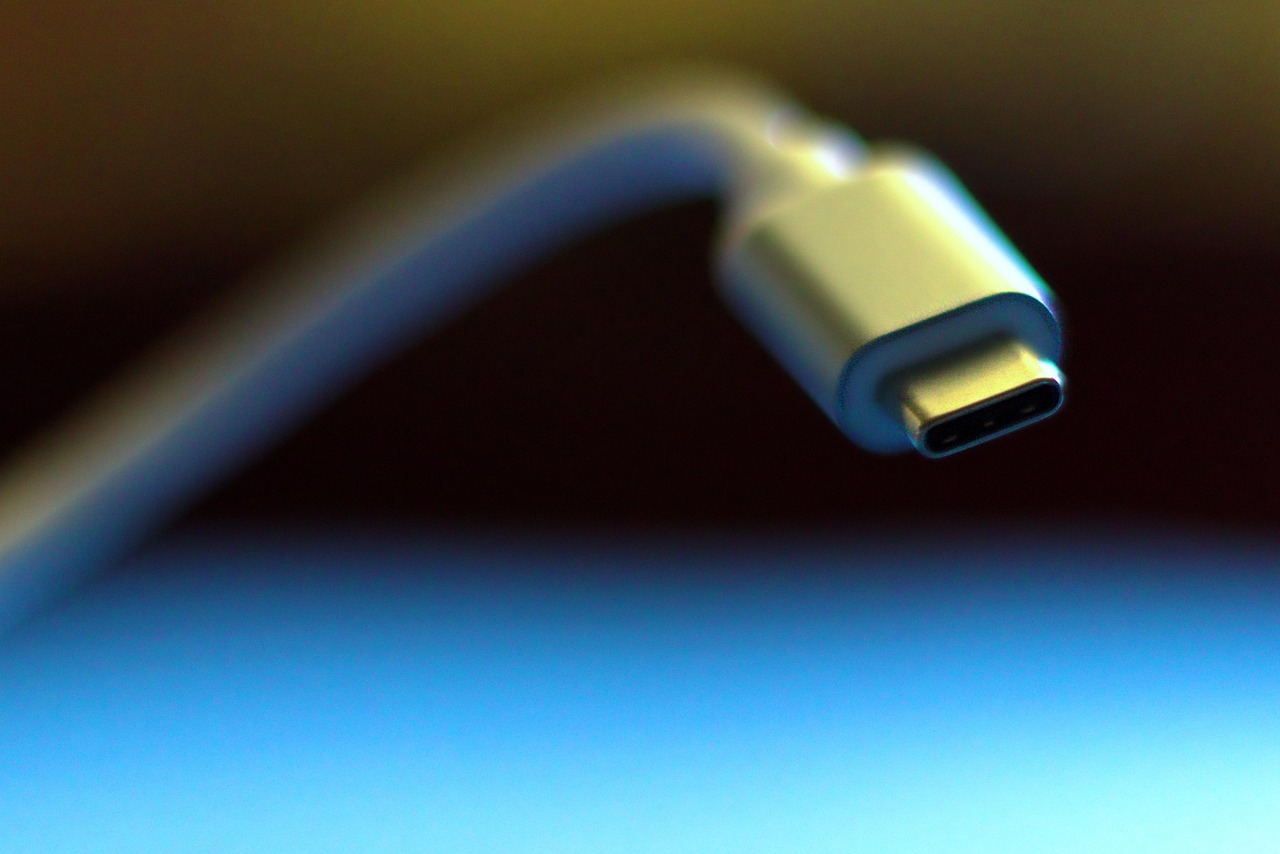
The existing multi-connector cable was replaced with an Apple USB-C cable. The iPhone, iOS version, BMW USB-C port and wired CarPlay connection remained the same. The active voice conversation also continued.
The direction of the battery percentage changed during the subsequent observation.
Before and after
Original cable: the displayed battery percentage decreased while the phone was connected and actively in use.
Replacement cable: the displayed charge rose from 11% to 16%, then 17%. The slow-charging warning did not reappear during that observation period.
This was a useful diagnostic result: charging improved after changing the cable, without any software modification.
It was still an informal sequential test. Temperature, background activity and charging behaviour were not instrumented or held constant, and the original cable was not retested to reproduce the failure. The cable or its connections therefore became the leading suspect, rather than a conclusively proven cause.
Technical analysis
04
The Energy Balance Behind the Icon
A charging indicator does not tell the whole story about how much energy reaches the battery.
A phone receives electrical power from an external source while simultaneously using power for its electronics. Some energy is also lost during power conversion and charging.
🔬 Analysis · A simplified power balance
Net power into the battery ≈ power received through USB − device consumption − conversion losses.
When the available input cannot cover the phone’s operating demand and losses, the battery can supply the difference. Its charge may therefore decrease even while an external power connection is recognised.
Possible explanations include a limited power source, poor electrical contact, excessive cable resistance or charging restrictions associated with temperature. This test did not measure which mechanism was responsible.
The original cable’s price and multi-connector design do not, by themselves, prove a defect. Equally, this result does not mean that only Apple cables are suitable. The relevant observation is that this particular replacement improved charging under the conditions tested.
The missing daily recharge
05
Why It Looked Like Battery Degradation
The problem was deceptive because the visible routine had not changed: get into the car, connect the phone and use CarPlay.
For months, that routine had also replenished the battery. If the charging contribution became insufficient or intermittent, the phone would reach the evening with less energy even without a substantial increase in its underlying consumption.
From the user’s perspective, this could resemble a sudden deterioration in battery life. The missing energy would normally have arrived during driving.
That explanation is consistent with the observed improvement after replacing the cable. Monitoring several comparable days would help establish whether it also explains the broader change in daily endurance.
Practical troubleshooting
06
Check the Charging Path First
- Check Battery settings. Note any slow-charging warnings and whether the percentage rises or falls while connected.
- Try a known-good, compatible cable. A straightforward substitution can help isolate a charging-path problem.
- Keep the comparison consistent. Use the same power source and similar applications, starting charge, temperature and observation time.
- Record the result. Note the starting and ending percentages and elapsed time. Where practical, repeat the comparison.
- Investigate further if necessary. Compare with another suitable power source and check the charging port for visible debris or damage.
- Review the daily charging routine. Reduced evening charge can reflect lost top-ups as well as battery ageing or higher consumption.
🎯 RKE Takeaway · Follow the Energy
The strongest finding is straightforward: after the cable was replaced, the displayed battery level began rising during continued use. That makes the original cable or its connections a credible explanation for inadequate charging during the observed session.
The test provides no direct evidence that iOS 27.0.1 caused the problem. It also does not establish the cable’s precise electrical fault or exclude other contributors to daily battery endurance.
Before blaming the software, check whether the energy you expect to enter the phone is actually arriving.
Sometimes a small cable manages to put an entire operating system on trial.