
RKE / RISOLNET KNOWLEDGE ENGINE
DAILY SCIENCE & TECHNOLOGY BRIEF
Today's review asks how researchers move from a promising signal to a stronger test. Five reports span a planned Mars-moon mission, weather prediction, space batteries, metabolic research and a galaxy-cluster interpretation. They sit at different stages of evidence: plans, prototype measurements, reported model performance, laboratory follow-up and observational inference. Keeping those stages separate is essential to understanding what each result actually supports.
Astronomy & Space
01
A sample-return plan puts Mars' moons in focus
NASA describes instruments and sampling support for JAXA's upcoming MMX mission.
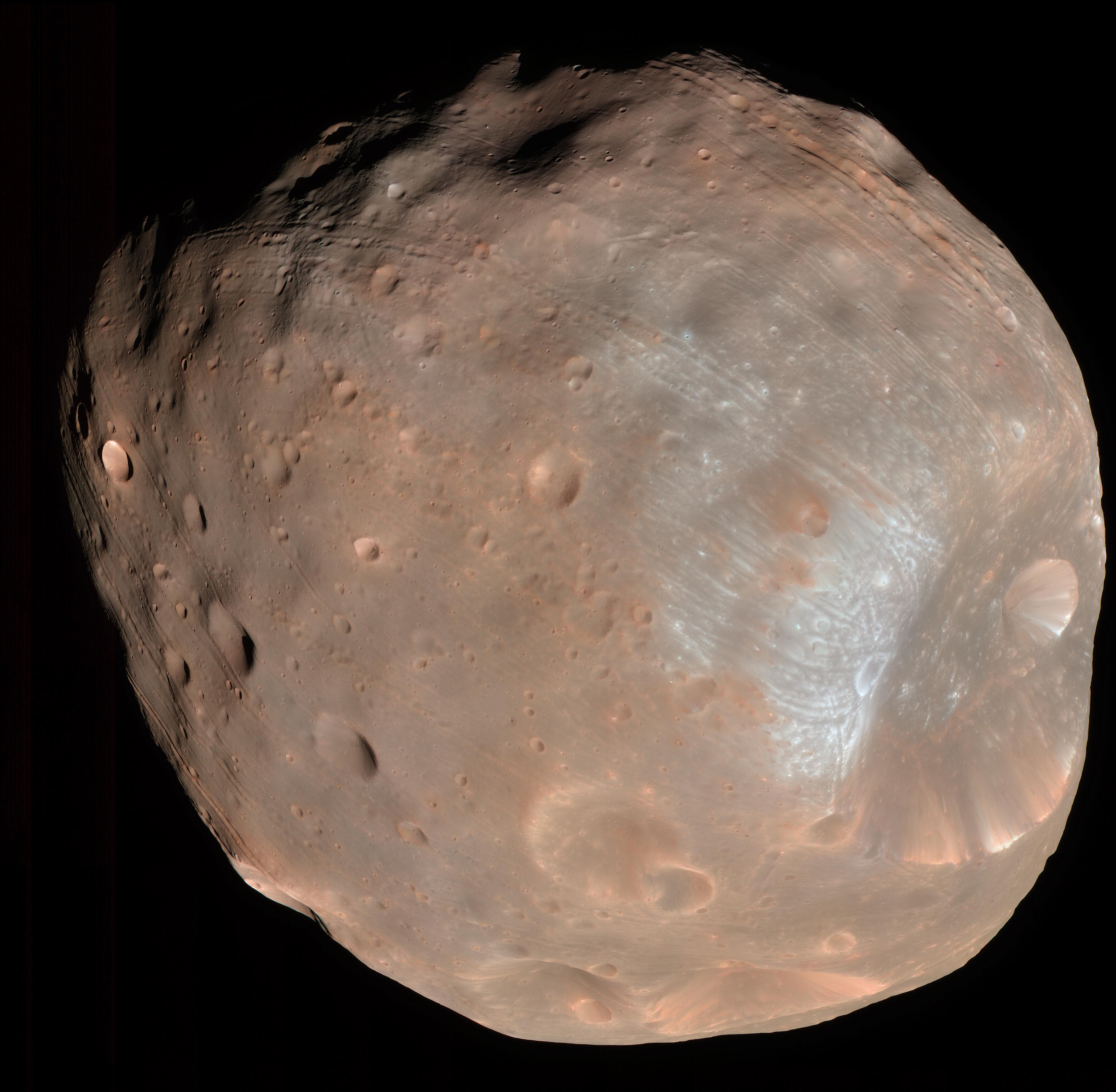
JAXA's Martian Moons eXploration mission aims to study Phobos and Deimos and bring material from Phobos back to Earth. NASA's October 15 update describes contributions including the MEGANE spectrograph and a pneumatic sampler. The planned launch is still ahead of this review, not an accomplished milestone.
The scientific appeal is comparison: measurements and returned material could test different accounts of how the moons formed. Instruments, sampling and later laboratory work address complementary parts of that question.
Analysis
This is a mission plan, not a discovery from returned samples. Successful launch, operations and sample recovery remain necessary before the proposed measurements can answer origin questions.
Artificial Intelligence
02
Learning from forecast errors could extend preparation time
A reported machine-learning correction targets the difficult two-to-six-week forecasting range.
MIT describes a system that learns errors in existing weather forecasts and adjusts their predictions. The target is subseasonal forecasting: the awkward interval beyond short-range forecasts but before seasonal tendencies become the main guide.
Such corrections could be useful when energy operators, farmers or emergency planners need more preparation time. Better estimates of the chances of unusual conditions can inform planning without specifying exactly what weather a particular street will experience weeks later.

Analysis
The underlying Nature paper was not accessible in this review. Treat performance claims as attributed institutional reporting, not independently reproduced results or a guarantee for every region and extreme event.
Technology
03
For lunar batteries, surviving the cold is not the same as working in it
NASA's SPEARS prototypes highlight the difference between operation and cold storage.
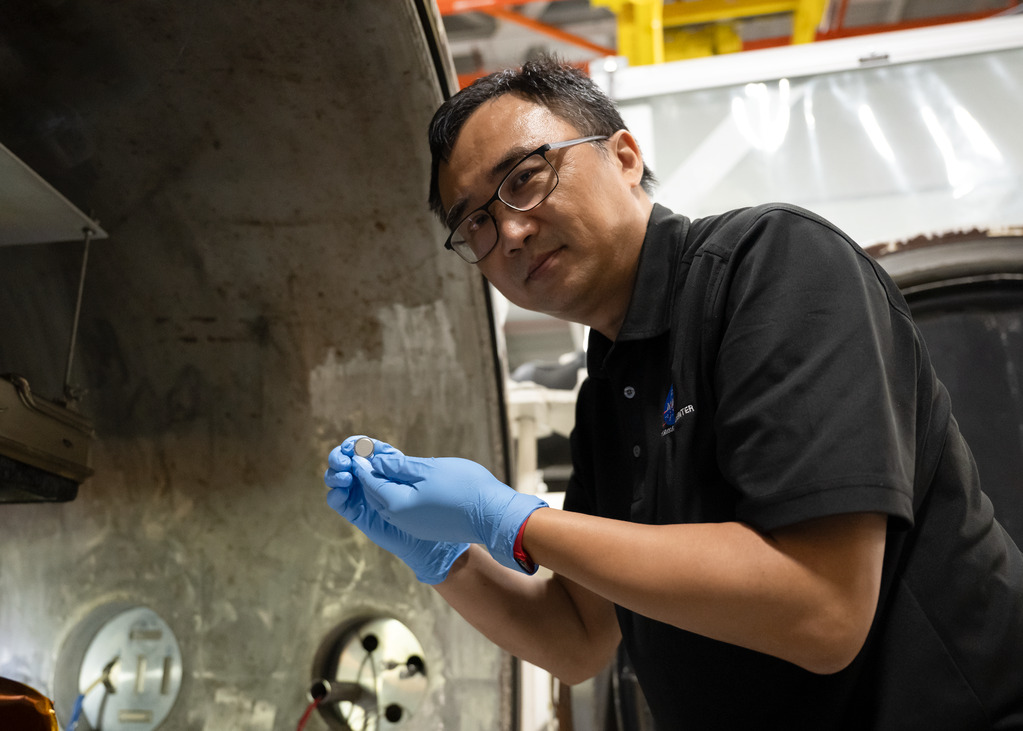
NASA reports thermal-vacuum tests of small solid-state battery prototypes intended for demanding space environments. The SPEARS project replaces liquid electrolytes with solid materials. Reported operation extended to minus 80 degrees Celsius with reduced performance.
The colder survival tests answer a different question. A cell that remains undamaged after exposure still needs warming before it can supply useful power. That distinction matters when judging claims about batteries for lunar nights or permanently shadowed regions.
Analysis
These are prototype results, not proof of flight readiness. Potential reductions in continuous heating would have to be demonstrated in complete systems, with realistic loads, cycling and mission constraints.
Life Sciences
04
Brown-fat research moves from patient records to laboratory tests
A new study links human associations with experiments involving the blood-pressure drug losartan.
NIH describes research connecting brown-fat activity in clinical records with follow-up experiments in cells and mice. The investigators examined associations involving angiotensin receptor blockers, then tested losartan experimentally.
This sequence can help turn a statistical clue into a more focused biological question. It does not erase the difference between an association in a patient population and evidence that deliberately increasing brown-fat activity improves human health.

Analysis
The linked Nature full text was inaccessible here. Laboratory findings do not establish a new clinical use or justify changing treatment; human efficacy would require appropriate prospective studies.
Astronomy & Space
05
A cosmic radio shape gains a multiband explanation
X-ray and radio observations help interpret the structure nicknamed the Treble Clef.
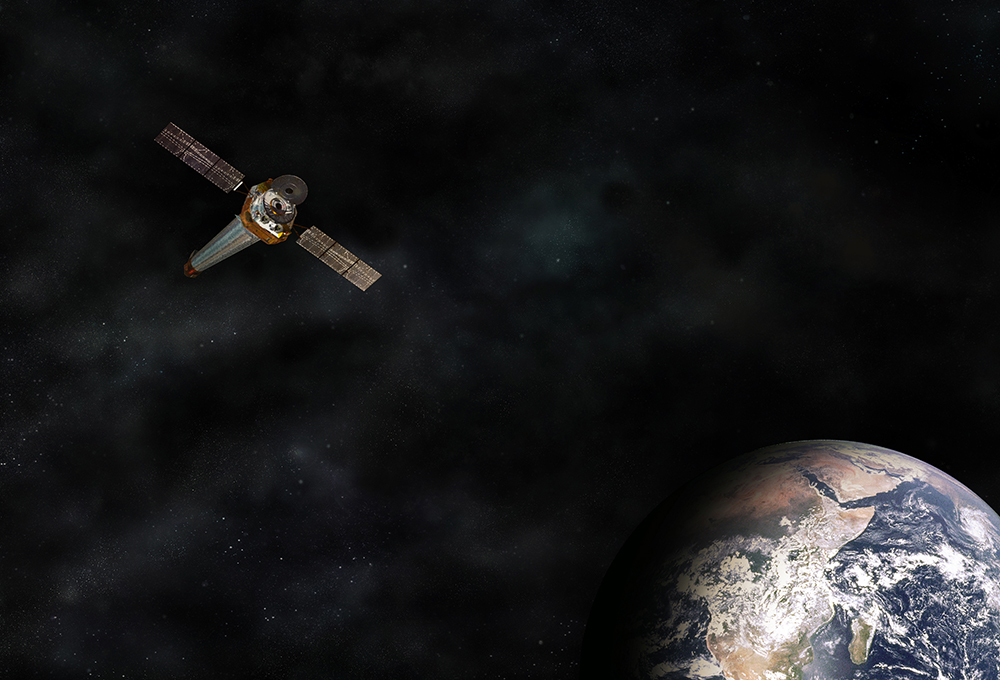
NASA's Chandra account brings together evidence for merging galaxy clusters around an unusual radio source. The proposed history combines an earlier black-hole outburst with later compression or reenergizing during the cluster interaction.
Different observing bands help distinguish the hot cluster gas from the radio-emitting material. The October news release is recent, but an earlier preprint already described the object: the release date should not be mistaken for the first appearance of the research.
Analysis
The sequence is an interpretation of observations, not a directly witnessed movie of the collision. The preprint abstract and history were read; its full analysis was not independently audited.
The RKE Signal
The common thread is disciplined comparison. Samples can test an origin story, forecasting corrections must face evaluation data, and battery operation must be distinguished from survival. Patient associations need experimental follow-up, while cosmic reconstructions must fit observations across multiple bands. A compelling explanation becomes useful when its assumptions and next tests are visible.
These reports do not carry the same degree of certainty. Reading them together is valuable precisely because an engineering demonstration, a prospective mission and a biological association answer different questions.