
RKE / RISOLNET KNOWLEDGE ENGINE
SCIENCE & TECHNOLOGY NEWS REVIEW
Today’s science and technology review examines five original research studies published on October 25, 2026. Their subjects range from the relationship between groundwater depletion and surface heating to artificial intelligence for industrial fault detection, experimental brain photobiomodulation, molecular mechanisms of liver fibrosis and the interpretation of neonatal bilirubin measurements.
These investigations share a fundamental scientific challenge: identifying meaningful relationships within complex systems while distinguishing predictive associations, theoretical mechanisms and experimentally demonstrated effects.
A new hydrological model proposes that declining shallow groundwater levels may influence local surface temperatures by reducing evaporative cooling. An industrial AI study demonstrates high classification accuracy by combining several representations of vibration signals. Researchers investigating transcranial photobiomodulation show that the amount of light reaching intracranial structures depends on substantially more than the wavelength selected.
Two life-science studies provide additional examples of scientific complexity. One identifies an RNA-regulatory mechanism associated with hepatic stellate cell activation and liver fibrosis. The other finds that patterns of neonatal bilirubin measurements are associated with adverse outcomes but fail to provide consistent predictive improvements across independent clinical databases.
All five studies were published online on October 25, 2026. Reporting is based on accessible abstracts and publication metadata. Where the evidence is theoretical, observational or preclinical, those distinctions are maintained throughout this review.
01
Could Groundwater Depletion Intensify Local Surface Heating?
A new physics-based framework investigates whether declining shallow water tables reduce evaporative cooling, potentially introducing an additional connection between groundwater management and land-surface temperatures.

Groundwater is an essential component of the Earth’s hydrological system. It supports ecosystems, agriculture and human water supplies, while also influencing exchanges of moisture and energy between the land surface and the atmosphere.
Climate change can affect groundwater availability through changes in precipitation, evaporation and recharge. However, the reverse relationship, in which groundwater depletion itself influences local surface temperatures, has received comparatively less attention.
A study published in Scientific Reports on October 25, 2026, investigates this possibility through a physics-based theoretical framework and a geospatial analysis of groundwater trends in the contiguous United States.
The researchers, A. Paldor of the University of Tennessee and N. Paldor of the Hebrew University of Jerusalem, examine how changes in shallow groundwater levels could affect evaporative heat loss.
Evaporation requires energy. When water evaporates from soil or vegetation, part of the available energy is consumed as latent heat rather than contributing directly to surface warming.
If groundwater is sufficiently close to the surface, it may help maintain soil moisture and support evaporation. A decline in the water table can potentially weaken this connection.
The authors propose that reduced evaporation may decrease latent heat loss and increase the proportion of energy available for heating the ground.
Their theoretical calculations indicate that a decline in shallow groundwater from the surface to depths of approximately one meter could, under particular model assumptions, produce a surface-temperature increase exceeding ten degrees.
This result requires careful interpretation. It represents a modeled local heating potential under specified conditions, not a measured increase in regional air temperature or an estimate of global warming caused by groundwater extraction.
The predicted response depends on factors including soil porosity and the relationship between groundwater depth and evaporation.
The researchers complemented their theoretical work with a geospatial investigation of groundwater declines across the contiguous United States.
They report spatial associations between areas experiencing long-term groundwater declines and areas showing temperature increases.
California and Florida were identified as regions potentially vulnerable to the proposed mechanism.
These geographical associations are consistent with the possibility of groundwater-related surface heating, but they do not independently establish that groundwater depletion caused the observed temperature changes.
Other influences, including atmospheric conditions, land-use changes, vegetation and irrigation practices, may also affect local temperature trends.
The study therefore introduces a potentially important mechanism that requires further testing through direct measurements and more detailed coupled hydrological and atmospheric models.
Analysis
Established findings: The peer-reviewed study presents a theoretical relationship between shallow groundwater decline, reduced evaporative cooling and increased surface temperature. Its geospatial analysis identifies regional associations between groundwater and temperature trends.
Interpretation: Groundwater management may have consequences extending beyond water availability. If the proposed mechanism is confirmed, shallow aquifer depletion could influence local surface-energy balances and potentially amplify some forms of environmental heat stress.
Limitations: The reported heating magnitude is a theoretical model result, not a directly observed temperature increase attributable to groundwater extraction. Spatial correlation does not demonstrate causality.
Scientific significance: The research encourages closer integration of groundwater dynamics into studies of land-atmosphere interactions. Field validation will be essential before the proposed effect can be incorporated reliably into climate-impact assessments.
02
A Physics-Guided Vision Transformer Improves Detection of Industrial Bearing Faults
Researchers combine six complementary vibration-signal representations in a machine-learning architecture designed to recognize mechanical defects while revealing which signal features contribute most strongly to classification.

Rolling-element bearings are fundamental components of industrial machinery. They support rotating shafts and reduce friction in equipment ranging from manufacturing systems to electric motors and turbines.
Mechanical defects in these components can generate distinctive vibration patterns. Detecting those patterns early is an important objective of condition monitoring and predictive maintenance.
However, real vibration signals are complex. Different defects may produce overlapping characteristics, and multiple faults can occur simultaneously.
A study published in Scientific Reports on October 25, 2026, introduces a physics-guided Multi-View Vision Transformer, abbreviated MV-ViT, for rolling-element bearing fault diagnosis.
The researchers, Pratyush Vishal, Shristi Sahani and Narendiranath Babu T., designed a framework that transforms raw vibration signals into six complementary representations.
These include the Short-Time Fourier Transform, Continuous Wavelet Transform, Constant-Q Transform, Spectral Kurtosis, Teager Energy Map and Envelope Spectrum.
Each representation emphasizes different aspects of the original signal.
Time-frequency methods reveal how spectral components evolve. Other transformations emphasize impulsive events, nonlinear energy behavior or modulation patterns associated with mechanical faults.
The six representations are processed jointly using a shared Vision Transformer architecture with multi-head self-attention.
This allows the model to learn relationships among the different signal views rather than relying on a single transformation.
The researchers evaluated the system using a five-class bearing fault classification task that included combined faults.
The model achieved a maximum test accuracy of 99.62 percent. Across five random training seeds, its mean accuracy was 98.72 percent with a reported variation of plus or minus 0.70 percentage points.
For the combined-fault class, the authors report F1-scores above 0.96.
The study also investigated which signal representations received the greatest attention within the trained model.
The Envelope Spectrum accounted for approximately 42.8 percent of measured attention energy, followed by the Constant-Q Transform at 20.3 percent.
An ablation experiment provided additional evidence of the importance of the Envelope Spectrum: removing that representation reduced maximum test accuracy from 99.62 to 98.50 percent.
The researchers also evaluated performance under working conditions excluded from training. Reported accuracies in three leave-one-working-condition-out experiments ranged from 97.23 to 98.01 percent.
Finally, post-training quantization reduced model size from 77.9 megabytes to 19.7 megabytes in an INT8 configuration, with high classification accuracy preserved.
The results suggest that combining physically meaningful signal representations can improve fault classification while supporting the development of more compact industrial AI models.
Analysis
Established findings: The proposed model achieved high classification accuracy in the reported experimental datasets. Ablation tests supported the contribution of particular signal representations, especially the Envelope Spectrum.
Interpretation: The study suggests that representation diversity may be more valuable than simply increasing neural-network complexity. This is relevant to industrial applications where computational efficiency and diagnostic reliability both matter.
Limitations: High benchmark accuracy does not guarantee equivalent performance on previously unseen industrial machinery. Differences in sensors, mechanical configurations, environmental noise and operating conditions may affect generalization.
Interpretability: Attention analysis can indicate which representations influence the model, but attention weights alone do not provide a complete causal explanation of its predictions.
Practical significance: The reduction in model size is promising for resource-constrained monitoring systems, although deployment performance and long-term operational reliability remain to be demonstrated.
03
New Dosimetry Research Reveals Why Brain Photobiomodulation Cannot Be Evaluated by Wavelength Alone
Combining anatomical simulations and experimental measurements, researchers investigate how skull structure, optical geometry, exposure duration and device characteristics determine the amount of light reaching intracranial tissues.

Transcranial photobiomodulation is an experimental technique that uses red or near-infrared light to investigate possible effects on neural metabolism, inflammation and other biological processes.
Although the approach has attracted considerable research interest, an important technical challenge remains unresolved: determining how much optical energy actually reaches the intended intracranial tissues.
The optical output of a device is not equivalent to the dose delivered inside the head.
Light must pass through several layers of tissue, including skin, skull and cerebrospinal fluid. Along the way, it undergoes absorption and scattering.
A study published in Scientific Reports on October 25, 2026, investigates these factors using a combination of micro-computed tomography, Monte Carlo simulations and experimental measurements.
The researchers constructed anatomical models based on two human skulls and incorporated compartments representing scalp, skull, blood-filled diploic pores and cerebrospinal fluid.
They simulated light propagation at 23 wavelengths between 610 and 1267 nanometers.
Monte Carlo light-transport methods were used to estimate how photons interact with the anatomical structures and how much light could reach deeper regions.
The simulations indicated that transmitted photon weight was strongly influenced by skull thickness, cerebrospinal fluid depth and the microscopic structure of the skull.
Under controlled source-detector conditions, wavelengths around 1064 to 1070 nanometers generally performed favorably in the simulated configurations.
However, transmission decreased at 1267 nanometers because of increased absorption at longer wavelengths.
The researchers then compared these theoretical findings with experimental measurements.
They constructed a physical phantom using porcine skin, a human skull, artificial cerebrospinal fluid and gelatin.
Three commercial helmet-style devices were evaluated using regional optical measurements.
The experimental results demonstrated that wavelength alone was insufficient to predict delivered optical energy.
An 810-nanometer device produced substantially greater region-specific transmission than the two longer-wavelength devices under the tested conditions.
In a paired comparison between 810 and 1070 nanometers, the shorter-wavelength device produced higher instantaneous irradiance and transmission.
However, after accounting for the longer exposure duration of the 1070-nanometer device, detector-plane fluence became comparable.
This distinction illustrates why optical power, exposure duration and total delivered energy must be considered separately.
Additional measurements investigated intranasal-style light delivery and thermal behavior.
The authors found differences in device self-heating even when changes in measured skin-surface temperature were relatively modest.
The study concludes that meaningful comparison of transcranial photobiomodulation systems requires a more complete description of anatomical conditions, source geometry, wavelength, irradiance, exposure time, fluence and thermal response.
Analysis
Established findings: Simulations and phantom experiments demonstrate that intracranial light delivery depends on multiple interacting parameters. The wavelength producing favorable simulated transmission does not necessarily correspond to the commercial device delivering the greatest measured optical output.
Interpretation: The research highlights the need for standardized dosimetry when evaluating photobiomodulation devices. Comparing systems solely through their nominal wavelength or advertised optical power can be misleading.
Limitations: The study investigates optical transmission and thermal behavior. It does not demonstrate neurological treatment efficacy, establish an optimal therapeutic dose or prove clinical benefit for any particular disorder.
Methodological considerations: The anatomical simulations used two skull models, while the experimental measurements relied on physical phantoms. Neither approach fully reproduces the biological variability and dynamic responses of living human tissue.
Scientific significance: Better characterization of delivered optical dose could improve the design and interpretation of future clinical investigations.
04
Researchers Identify an RNA-Regulatory Pathway Associated with Liver Fibrosis
Experiments involving hepatic stellate cells and a mouse model connect altered RNA methylation to mitochondrial dysfunction and fibrotic signaling through the FTO, IGF2BP1 and TRIB3 regulatory axis.

Liver fibrosis develops when chronic injury stimulates the accumulation of extracellular matrix components, including collagen, within hepatic tissue.
Hepatic stellate cells play a central role in this process. Under normal conditions, these cells remain relatively quiescent, but tissue injury can trigger their activation into cells with increased fibrogenic activity.
Understanding the molecular mechanisms controlling this transition is an important objective of liver-disease research.
A study published in Scientific Reports on October 25, 2026, investigates how RNA methylation influences hepatic stellate cell activation and fibrosis.
The researchers focused on N6-methyladenosine, commonly abbreviated m6A, a chemical modification found in RNA molecules.
M6A modifications can influence RNA stability, processing and translation. Their effects depend on enzymes that add or remove the modification and proteins that recognize modified RNA.
One of the enzymes capable of removing m6A modifications is FTO, a protein involved in the regulation of RNA methylation.
The research team investigated the relationship between FTO activity, hepatic stellate cell activation and mitochondrial homeostasis.
The experimental approach combined a mouse model of liver fibrosis induced by bile duct ligation with studies involving human LX-2 hepatic stellate cells.
The investigators manipulated FTO and IGF2BP1 expression using molecular techniques and evaluated changes in fibrotic markers, RNA methylation and mitochondrial function.
In the bile duct ligation model, the researchers observed inflammatory infiltration and collagen deposition consistent with the development of hepatic fibrosis.
The study reports reduced FTO expression in hepatic stellate cells under the investigated conditions.
Experimental FTO deficiency increased m6A methylation and promoted expression of markers associated with stellate cell activation.
These markers included alpha-smooth muscle actin, collagen type I and transforming growth factor beta.
The researchers identified a regulatory mechanism involving IGF2BP1, an RNA-binding protein capable of recognizing methylated RNA.
According to the authors, FTO depletion was associated with increased expression of TRIB3 through an IGF2BP1-dependent mechanism.
These molecular changes were accompanied by mitochondrial dysfunction and alterations in mitophagy-related processes.
Mitophagy is a cellular quality-control process through which damaged or unnecessary mitochondria are removed.
Disruption of mitochondrial homeostasis may influence cellular stress responses and contribute to the activation of fibrogenic pathways.
The findings suggest that the FTO-m6A-IGF2BP1-TRIB3 axis participates in the regulation of hepatic stellate cell behavior.
The researchers propose that understanding this pathway could support future investigations into mechanism-based approaches for liver fibrosis.
However, identifying a molecular pathway associated with fibrosis does not establish that manipulating the pathway will provide a safe or effective treatment in humans.
Analysis
Established findings: In the experimental systems described, FTO deficiency increased RNA methylation and markers of hepatic stellate cell activation. The researchers linked these effects to IGF2BP1-dependent TRIB3 regulation and changes in mitochondrial homeostasis.
Interpretation: RNA methylation may represent an additional regulatory layer connecting cellular metabolism, mitochondrial function and tissue fibrosis.
Limitations: The results are based on animal and cell-based experiments. They do not establish a clinically validated therapeutic target or demonstrate treatment efficacy in patients with liver fibrosis.
Important context: Previous experimental studies have reported different relationships between FTO activity and hepatic fibrogenesis. These findings should therefore be interpreted within the specific biological models and conditions investigated rather than as evidence of a universal protective or harmful role for FTO.
Scientific significance: The study provides another molecular connection between epitranscriptomic regulation and mitochondrial dysfunction, two processes increasingly investigated in chronic disease biology.
05
Neonatal Bilirubin Patterns Predict Adverse Outcomes in One Dataset but Fail External Validation
A retrospective analysis of nearly 4,800 newborns finds associations between early bilirubin trajectories and serious complications, while exposing the limitations of transferring predictive models between clinical populations.
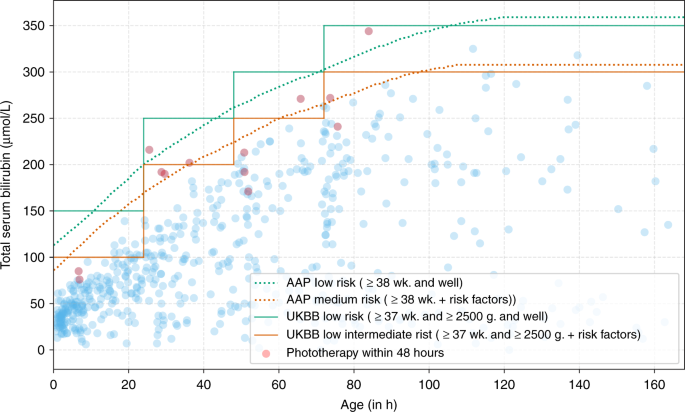
Serum bilirubin measurements are routinely used to assess newborns during the first days of life.
Bilirubin is produced during the breakdown of heme-containing molecules, including hemoglobin. Its concentration may rise after birth as the newborn adapts to life outside the uterus.
Although neonatal bilirubin elevation is common, sufficiently high concentrations can require medical intervention.
Researchers have therefore investigated whether changes in bilirubin concentration over time provide more useful information than individual measurements.
A study published in Scientific Reports on October 25, 2026, evaluates the prognostic value of bilirubin trajectories during the first postnatal week.
The investigators conducted a preregistered retrospective analysis using two independent clinical databases: MIMIC-III and the Pediatric Intensive Care database, abbreviated PIC.
The analysis included newborns admitted before 28 days of age who had at least three total serum bilirubin measurements during postnatal days zero through seven.
The MIMIC-III cohort contained 2,951 newborns, while the PIC cohort included 1,817.
The researchers used latent-class trajectory modeling to identify groups of infants with similar patterns of bilirubin change.
Separate models identified four trajectory classes in MIMIC-III and two in PIC.
The study evaluated associations between these patterns and a composite outcome comprising in-hospital death, necrotizing enterocolitis or late-onset sepsis.
Certain trajectory classes were associated with substantially increased odds of adverse outcomes.
In MIMIC-III, the authors report odds ratios of 5.66 and 3.16 for two high-risk comparisons.
In PIC, a corresponding high-risk class was associated with an odds ratio of 2.13.
However, the components driving these associations differed between databases.
In MIMIC-III, the associations were primarily related to necrotizing enterocolitis and late-onset sepsis. In PIC, the association was more strongly related to mortality.
The researchers also found substantial differences in how trajectory classes were identified across the datasets.
Agreement between site-specific and pooled classifications was low, with adjusted Rand index values of 0.23 and 0.25.
An especially important finding concerned birth weight.
In MIMIC-III, adjusting for birth weight substantially weakened the associations between bilirubin trajectory classes and adverse outcomes.
This suggests that part of the apparent predictive relationship may reflect underlying neonatal immaturity or illness severity rather than a bilirubin-specific biological effect.
The researchers then compared the trajectory-based model with simpler measurements.
In MIMIC-III, the trajectory model achieved an area under the receiver operating characteristic curve of 0.825, compared with 0.827 for the peak bilirubin measurement.
Thus, the more complex trajectory model did not outperform the simpler peak measurement in that cohort.
External validation in PIC was unsuccessful. The model achieved an AUC of 0.582, indicating limited discrimination in the second dataset.
The findings illustrate how a statistically significant association within one clinical population may fail to translate into a reliable predictive tool elsewhere.
Analysis
Established findings: Bilirubin trajectories were associated with adverse outcomes in both databases, but the identified classes differed substantially. The trajectory model did not outperform peak bilirubin in MIMIC-III and failed external validation in PIC.
Interpretation: Early bilirubin patterns may reflect broader aspects of neonatal physiological maturity and illness severity. Their association with adverse outcomes should not automatically be interpreted as a direct causal effect of bilirubin.
Limitations: The analysis was retrospective and involved hospitalized newborns. Differences between populations, incomplete availability of birth-weight data and limitations of external validation restrict the generalizability of the findings.
Clinical significance: The results do not support replacing established neonatal assessment methods with the proposed trajectory classifications. Further prospective validation is required, particularly in infants born at or beyond 35 weeks of gestation.
Broader lesson: A more sophisticated predictive model is not necessarily a better clinical model. Independent validation and comparison with simpler alternatives are essential before introducing additional complexity into medical decision-making.
The RKE Signal
Today’s research demonstrates that scientific progress depends not only on discovering new relationships but also on understanding the conditions under which those relationships remain valid.
The groundwater study introduces a potentially important connection between shallow aquifer depletion and surface-energy balance. Its theoretical framework suggests that declining water tables could reduce evaporative cooling, but the proposed mechanism still requires direct observational validation.
The industrial AI study demonstrates how combining multiple physically meaningful representations can improve mechanical fault classification. Its results also show that interpreting model behavior requires more than reporting a high accuracy score.
Research into transcranial photobiomodulation provides another example of the importance of measurement conditions. Wavelength, anatomical structure, device geometry and exposure duration interact to determine optical energy delivery. A single advertised device parameter cannot adequately describe the resulting intracranial dose.
The liver fibrosis investigation connects RNA methylation, mitochondrial function and cellular activation. It identifies a molecular pathway worthy of further study while illustrating the difficulty of translating complex biological mechanisms into safe therapeutic interventions.
The neonatal bilirubin study offers perhaps the clearest methodological lesson. Although the researchers identified statistically significant associations, their predictive model did not consistently outperform a simpler measurement and failed validation in an independent clinical database.
Across these five investigations, the distinction between association, mechanism, prediction and demonstrated practical benefit remains essential.
A theoretical model can identify a plausible physical effect without proving its occurrence in the real world. A machine-learning system can achieve excellent benchmark performance without establishing universal reliability. A laboratory experiment can reveal an important biological pathway without demonstrating clinical efficacy.
The RKE Signal for October 26 is clear: the most valuable scientific results are not necessarily those with the largest numerical effects or the most sophisticated technologies. They are those whose evidence, limitations and practical meaning can be established with the greatest reliability.