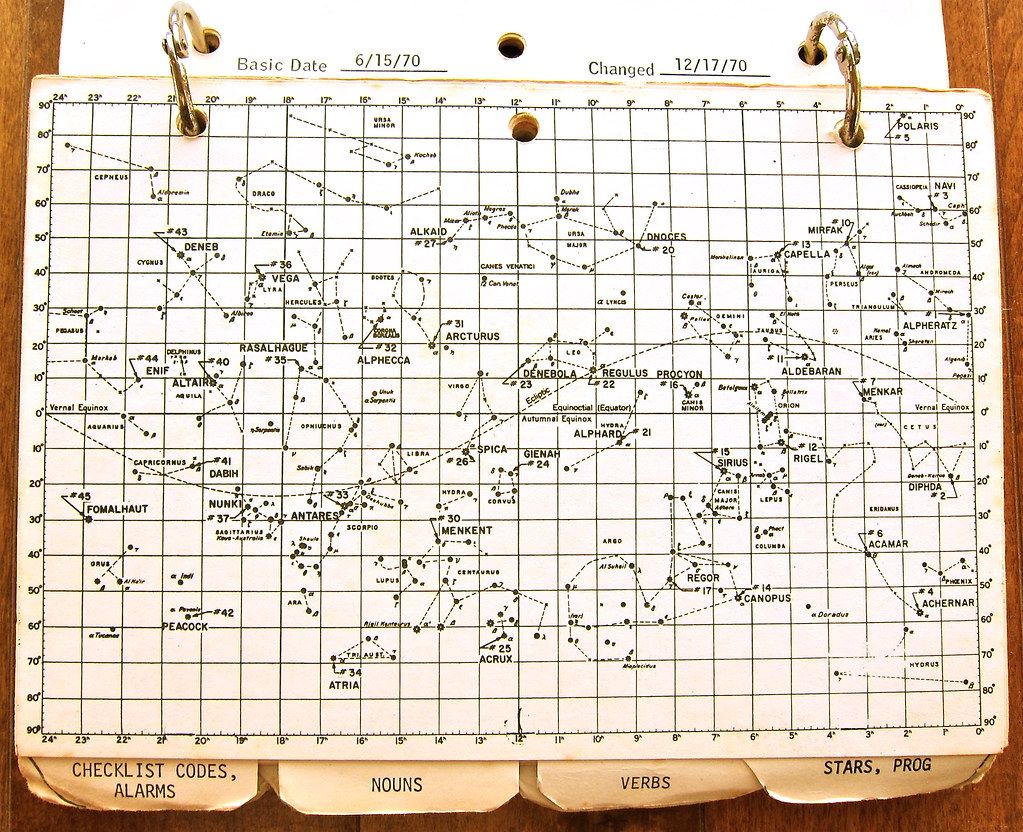
Explore the night sky and discover the infinite possibilities of the constellations!
Constellations have been part of our night skies for centuries, providing us with a source of fascination and mystery. They are an integral part of many cultures, each with its own stories and myths associated with them. For the ancient Greeks, stars were gods and goddesses, while for the Chinese, they were symbols of luck and fortune. Constellations are patterns of stars that are visible in the night sky and can tell us a lot about the history of the universe. Many of these patterns have been known since ancient times, but new constellations can be seen every year as our understanding of the night sky grows. Constellations can be used to navigate, provide clues to the time of year, and even tell us about climates in different parts of the world.
Exploring the Origins of Constellations: How Ancient Astronomers Used Stars to Connect Stories and Mythology
Throughout human history, the night sky has been a source of fascination and wonder. Ancient astronomers used the stars to explore the mysteries of the universe and to connect stories and mythology to the constellations. This article will explore the origins of the constellations and how ancient astronomers used the stars to construct their stories and mythologies.
The first written records of the constellations date back to the Sumerians around 4000 BC. They developed a system of constellations using the stars in the night sky as a way to tell stories and mythologies. The ancient Babylonians, Greeks, and Romans also developed systems of constellations, using them to explain natural phenomena and to tell stories of gods and goddesses.
The constellations we know today were first recorded in the Greek Aulumnatas Ptolemy, written in the 2nd century AD. Ptolemy identified 48 constellations, which are still used today. groups the constellations into four categories: zodiac (astrological signs), circumpolar (constellations that never drifted below the horizon), northern (constellations visible from northern latitudes), and southern (constellations visible from southern latitudes).
Ancient astronomers used the stars to tell stories and mythologies. The constellation Orion, for example, is named after the Greek hunter of the same name. Orion’s story tells of his love for the goddess Artemis and his gruesome death at the hands of a giant scorpion. The constellations of Leo, Virgo, and Scorpius are named after mythological figures in the story of Orion.
Constellations have also been used to explain natural phenomena. The constellation Ursa Major, or the Great Bear, was used to explain why the North Star never moved in the night sky. Ancient astronomers believed the bear was chasing the North Star, which never moved because it was out of the bear’s reach. Over the centuries, constellations have been used to tell stories and mythologies, explain natural phenomena, and help people navigate the night sky. Ancient astronomers used the stars to create stories that still fascinate us today. By exploring the origins of the constellations, we can gain a deeper understanding of the stories and mythologies that have shaped our understanding of the universe.
A guide to the best constellations for stargazing: where and when to see them in the night sky Stargazing is a wonderful activity that allows you to appreciate the beauty of the night sky. With a little knowledge and the right tools, you can easily identify some of the best constellations in the sky. In this guide, we’ll explain where and when to see these constellations in the night sky, so you can make the most of your stargazing experience.
The best time to observe constellations is during the months of April to October, when the night sky is at its darkest. During these months, the Milky Way is visible, providing a breathtaking backdrop to the constellations.
One of the most popular constellations is the Great Seer, part of the constellation Ursa Major. It is visible year-round in the Northern Hemisphere and is located in the northwestern sky. Look for the four stars forming a bowl shape and the three stars forming a handle.
The constellation Orion is another popular sighting. It is located in the east-southeast sky during the months of January and February. This constellation is composed of seven stars forming a distinctive hourglass shape. It is said to represent the mythical hunter-warrior, Orion.
Another notable constellation is Cassiopeia, part of the Perseus constellation. It is visible year-round in the northern sky and can be identified by its distinctive “W” shape.
For those in the Southern Hemisphere, the Southern Cross is a must-see. This constellation is located in the southern sky and is composed of four cross-shaped stars. Finally, the brightest star in the night sky, Sirius, is located in the constellation Canis Major. It is visible year-round in the southeastern sky and is usually the first star to appear in the night sky.
We hope this guide has been helpful in helping you identify some of the best constellations in the night sky. Whether you’re a beginner or an experienced stargazer, these constellations are sure to provide a memorable experience.
A comparison of different constellations around the world: how cultures and societies have interpreted the stars differently The night sky has captivated humanity for generations. Around the world, countless cultures have gazed at the stars and interpreted them in unique and fascinating ways. While the stars themselves remain unchanged, their meaning and significance have varied greatly over time and space. The following article aims to compare and contrast the ways in which different cultures and societies have interpreted the stars in their constellations and compare them to our modern understanding. The study of astronomy dates back to ancient times, and each culture had its own set of constellations. The ancient Greeks were the first to map the night sky, creating 48 constellations. They named them after gods, animals, and other mythological creatures. The Babylonians, who lived in what is now Iraq, had a slightly different set of constellations; they named the stars after their gods and goddesses. The Chinese had a much larger set of constellations, with over 200, and named them after animals and plants. The Australian Aborigines also had their own set of constellations, naming them after animals, plants, and other natural phenomena.
The meaning of the constellations for each culture often varied greatly. While the Greeks and Romans saw their constellations as gods and goddesses, the Babylonians saw them as omens of things to come. The Chinese constellations were associated with the agricultural calendar, while the Australian Aborigines used them to tell stories and transmit their culture. This is in stark contrast to how we interpret the constellations today. Astronomers now use them to identify stars and other celestial objects, as well as to measure distances in space.
The way the constellations have been interpreted by different cultures is a testament to the power of the stars. While the stars themselves remain unchanged, the stories and meanings we attach to them have changed over time. Each culture has its own unique interpretation of the night sky, and the modern understanding of the constellations is just one of many.
The Conclusion Constellations have fascinated people for centuries and continue to be a source of wonder and mystery. They are a powerful reminder of the beauty and complexity of the night sky. Constellations are a great way to explore the night sky and learn more about the stars and planets in our universe. With advances in technology, it’s now possible to take a closer look at constellations, helping to make them even more fascinating. Constellations may be thousands of years old, but they remain a source of endless fascination and exploration.