
RKE / RISOLNET KNOWLEDGE ENGINE
DAILY SCIENCE & TECHNOLOGY BRIEF
Good morning. Today’s connecting thread is moving intelligence closer to the problem. In space, data is processed before it is downloaded; in chips, AI enters the design workflow; in companies, we discover that buying a model does not magically transform an organization; and in medicine, researchers want weight loss without sacrificing as much muscle.
Reality, as ever, insists on being more complicated than a PowerPoint presentation.
Astronomy & Space
01
MOI-1A: an AI computer goes into orbit
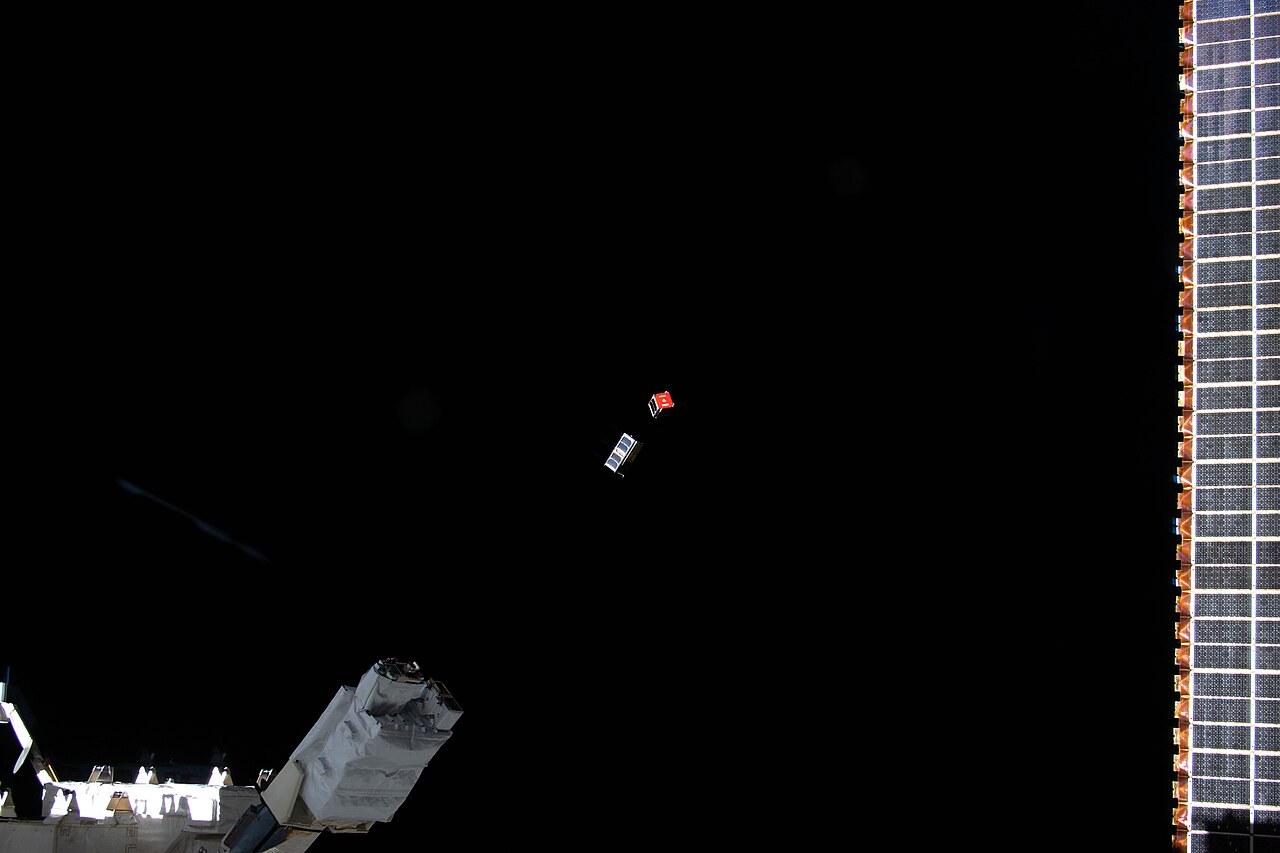
Indian startup TakeMe2Space has scheduled the launch of MOI-1A for October 1 aboard SpaceX’s Transporter-18 rideshare mission.
.jpg)
The satellite is designed to process Earth-observation data in space, rather than send enormous amounts of raw information back to Earth.
According to the manufacturer’s specifications cited in the daily review, MOI-1A combines an Nvidia Jetson Orin NX accelerator rated at 117 TOPS, 16 GB of memory, 2 TB of storage and a nine-band multispectral imaging system.
The idea is:
sensor → raw image → AI in orbit → useful information → Earth
instead of:
sensor → gigabytes of data → Earth → data center → processing.
TakeMe2Space says it already has 23 customers across agriculture, mining, insurance and supply chains. Technical specifications: https://www.tm2.space/moi-satellite
ANALYSIS
This deserves attention because it is more concrete than the vaguely promised “data center in space”. MOI-1A is essentially orbital edge computing.
Suppose a multispectral camera photographs 10,000 square kilometers to look for fires. We do not necessarily need to download every pixel. The satellite could run:
image → segmentation model → fire detection → coordinates + probability
and transmit only the result. The main advantage is in the downlink, a major bottleneck for Earth-observation satellites.
TakeMe2Space claims OrbitLab could reduce transmission costs by up to 85%. That is a commercial claim to test in operation, rather than an established result; the engineering principle is straightforward.
The interesting question is not can we put a computer in space? We have been doing that for decades.
It is: can we turn a satellite from a remote sensor into a programmable computing node?
If it works, that changes quite a lot.
Artificial Intelligence
02
Enterprise AI works. Getting it out of the pilot phase is another matter
A study cited by Reuters describes a revealing situation: almost three quarters of surveyed companies report positive financial results from AI projects, but fewer than a third manage to take them beyond the pilot stage.
.jpg)
Only 13% are reportedly broadly on track with their adoption plans.
The reported obstacles include regulation and, especially, integration with legacy IT systems.
ANALYSIS
The useful distinction here is between AI that works and a company capable of using AI at scale. Those are separate engineering problems.
A demo may work beautifully with:
LLM → database → user.
Then production arrives, bringing:
SAP from 2008 + proprietary databases + GDPR + Active Directory + cybersecurity + approval workflows + dirty data + nonexistent APIs.
Suddenly the model benchmark matters rather less.
We have seen this with cloud and digital transformation: new technology moves quickly, while corporate infrastructure carries twenty years of previous decisions on its back. Buying a model does not magically transform the organization. Reality remains stubbornly unimpressed by PowerPoint.
The real competition in enterprise AI may therefore shift from who has the smartest model to who can actually integrate it into business processes.
Much less sexy. Much more important.
Technology
03
OpenAI and Synopsys want AI that understands chip design
Synopsys and OpenAI have announced a collaboration to develop GPT-Synopsys, a model specialized in Electronic Design Automation: the software used to design and verify semiconductors.
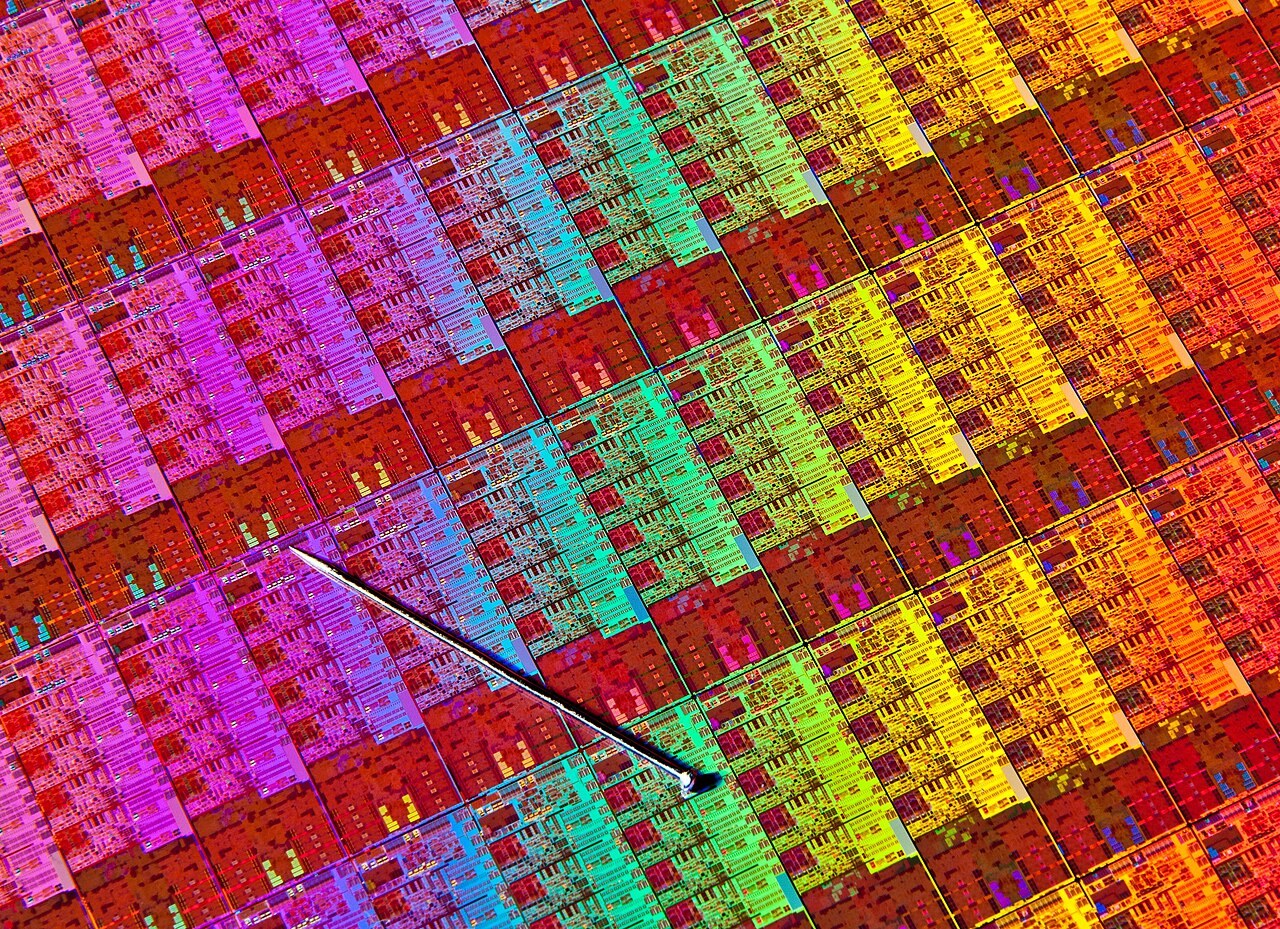

The goal is to help engineers across workflows running from circuit descriptions to transistor layouts.
One detail matters particularly: according to Synopsys, AI output will still be checked through traditional deterministic sign-off systems before a design can be considered valid.
ANALYSIS
This is a sensible architecture for AI in engineering.
The process should not stop at:
AI → “trust me” → manufacture chips.
It needs to continue through:
AI → proposal → simulation → deterministic verification → approval.
Semiconductor design is a strong candidate because the space of possible solutions is enormous. A modern chip requires decisions across:
logic → timing → placement → routing → power → temperature → signal integrity → manufacturability.
AI can explore alternatives quickly. But the laws of electromagnetism have the unpleasant habit of refusing to accept linguistic hallucinations.
Traditional verification remains the final referee. This is an interesting example of AI + deterministic software, an architecture with clear potential in scientific and industrial applications.
Life Sciences
04
Losing weight with GLP-1 drugs while preserving more muscle
Regeneron has reported intermediate-stage results for trevogrumab, an experimental antibody targeting myostatin, used alongside semaglutide.

.jpg)
According to the results described in the daily review, the trial involved almost 1,000 participants, and the 75 mg dose reportedly preserved more than 70% of the muscle mass that would have been lost with semaglutide alone over 52 weeks. These figures are reported trial claims, not a treatment recommendation.
ANALYSIS
This addresses one of the biologically interesting problems with GLP-1 drugs: substantial weight loss includes not only fat mass, but also lean mass, including muscle.
Myostatin is a protein that normally limits muscle growth. Trevogrumab aims to block it. The objective is therefore to improve the quality of weight loss, rather than merely push the number on the scales down further:
less fat ↓
muscle preserved ↔
That could be particularly important for older people, for whom muscle loss can contribute to frailty and loss of independence.
The drug is still experimental. Intermediate-stage results do not establish definitive clinical effectiveness: safety and meaningful benefit need confirmation in larger studies.
Still, it is an interesting change in the philosophy of obesity treatment. The question becomes what are you losing?, as well as how much weight are you losing?
A considerably smarter question.
Biotechnology
05
Sanofi and Regeneron expand their immunology partnership
Sanofi will pay Regeneron $1 billion upfront as part of an expanded immunology collaboration, with potential additional milestones of up to $7 billion, according to the report cited in the daily review.


The agreement covers four next-generation immunology antibodies and extends a partnership that has already produced Dupixent. The companies will share costs and profits for the new programs.
ANALYSIS
Behind the enormous headline number sits an interesting scientific direction: moving from broad suppression of the immune system toward selective modulation of specific molecular pathways.
Monoclonal antibodies can target particular proteins involved in inflammation. Dupixent illustrates the clinical and commercial potential of selectively targeting immune pathways.
The next generation also aims at long-acting molecules, with less frequent administration. That brings us back to a combination sometimes underestimated in life sciences:
efficacy + safety + treatment adherence.
An excellent drug with an inconvenient regimen may be less effective in the real world than elegant clinical curves suggest. Patients, regrettably for the slide deck, do not live inside a chart.
THE SIGNAL
Today I would keep an eye on MOI-1A.
A CubeSat with an Nvidia GPU does not suddenly become humanity’s first orbital data center. That would be marketing with an industrial quantity of caffeine.
The interesting test is more practical: move computation toward the place where data originates.
A related idea runs through several of today’s stories. In the satellite:
sensor → local AI → result.
In chip design:
design → specialized AI → deterministic verification.
In the enterprise:
model → integration with real systems → value.
In biotechnology, the parallel is more selective intervention:
precise biological target → more selective treatment → potential clinical benefit.
These developments have different evidence and risks; the editorial connection is not a causal claim linking them.
We are moving from putting “AI” in front of every available noun toward the more interesting question of where computation actually produces value.
Today, one of those places may be a few hundred kilometers above our heads.