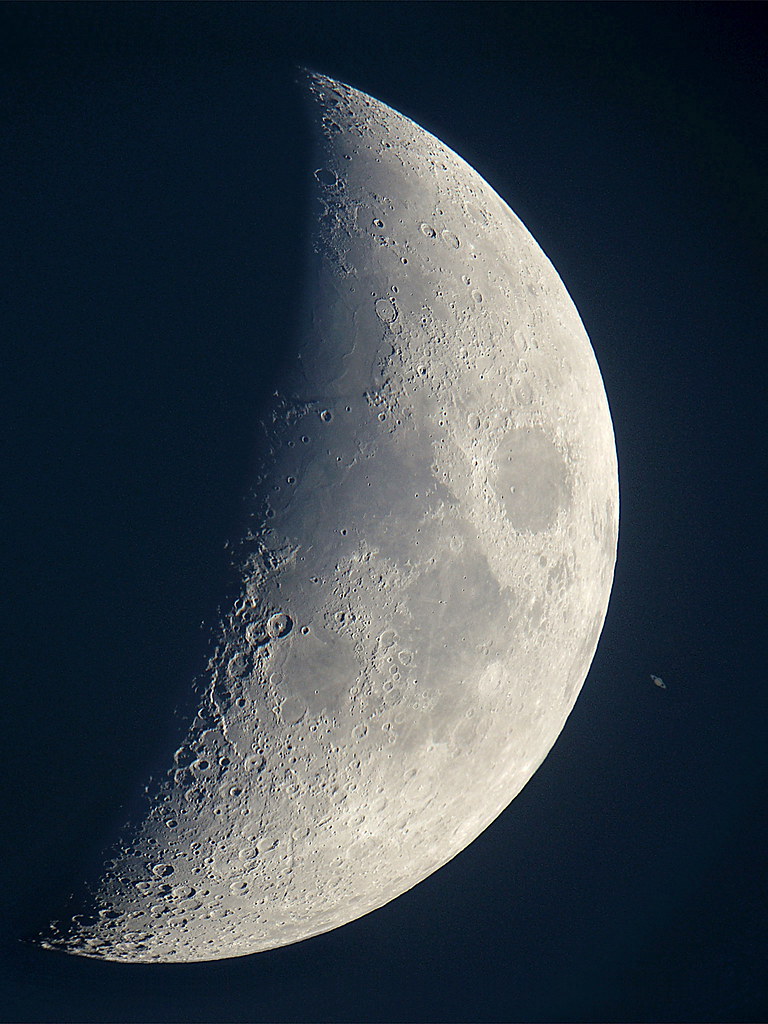




Planetary occultations, also known as planetary transits, occur when a planet passes in front of a star as seen from Earth.
This event can be observed through telescopes and can provide valuable information about the planet and the star it is passing through. One of the most important uses of planetary occultations is in the discovery and study of exoplanets, or planets orbiting stars outside our solar system. By observing the dimming of a star when a planet transits in front of it, scientists can determine the size and orbit of the exoplanet. Furthermore, the study of exoplanet atmospheres can be done by analyzing the light passing through the atmosphere during transit.
Occultations can also be used to study the properties of the transiting planet itself. For example, the duration of an occultation can be used to determine the size of the planet and its distance from the host star. The shape of the light curve during the occultation can also provide information about the planet’s atmosphere and climate.
Another valuable use of planetary occultations is in the search for potentially habitable exoplanets. By studying the atmosphere of a transiting exoplanet, scientists can search for signs of water vapor and other gases necessary for life.
The study of planetary occultations has already led to the discovery of several exoplanets located in their host star’s habitable zone, where conditions are favorable for the existence of liquid water. Although planetary occultations are relatively rare events, they can be predicted and observed by astronomers using telescopes. The next occultation of a planet visible from Earth will be that of Venus in 2028.
As technology and space exploration advance, the study of planetary occultations will continue to provide valuable insights into the properties and potential habitability of exoplanets. In conclusion, planetary occultations, also known as planetary transits, are valuable tools in the discovery and study of exoplanets. They provide information on the size, orbit, and atmosphere of exoplanets and can aid in the search for potentially habitable exoplanets. As technology and space exploration advance, the study of planetary occultations will continue to provide valuable insights into the properties of exoplanets.
Planetary Occultations for Beginners