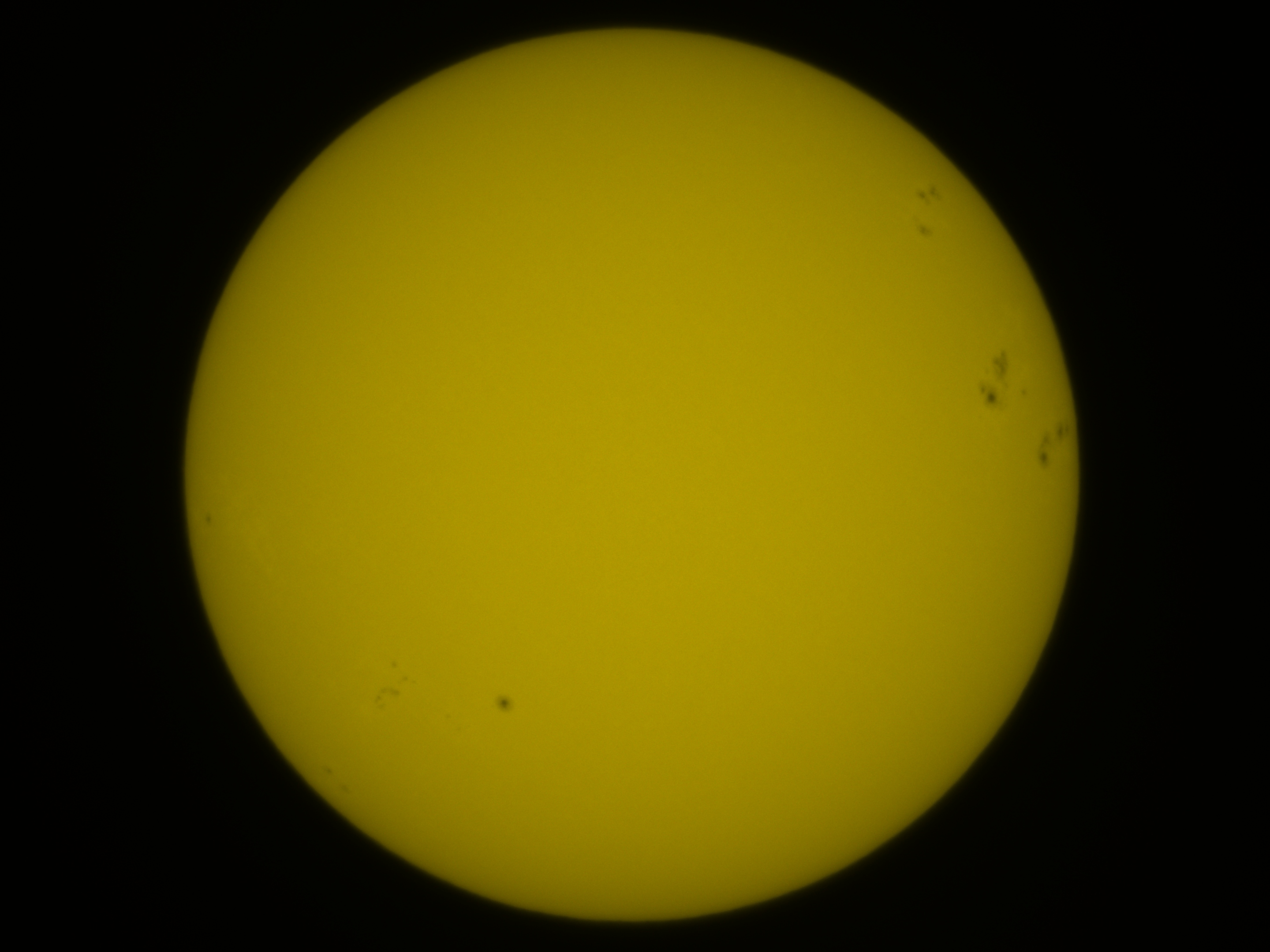
“Photographing the sun” can be a fascinating but also highly technical activity, as it presents specific challenges and requirements. Here are some ideas and tips for those who want to try their hand at this particular form of photography:
1. **Use of Solar Filters**: It is essential to use appropriate solar filters to protect both your eyes and your camera. ND (Neutral Density) filters are essential for reducing the intensity of sunlight and preventing damage to your camera’s sensor.
2. **Time of Day**: Photographing the sun during sunrise or sunset can provide more dynamic and colorful images, thanks to the variation in color and light intensity. Furthermore, during these times, the intensity of sunlight is less damaging.
3. **Exposure Techniques**: Learning to manage exposure is crucial. Using a manual mode to have complete control over aperture, shutter speed, and ISO is recommended.
4. **Composition**: Including natural or urban elements can enrich the photo, providing context and creating an interesting contrast with the solar disk.
5. **Solar Photography in Astronomical Events**: Solar eclipses, planetary transits, or simply sunspot groups can be unique opportunities to obtain spectacular shots of the sun.
6. **Using Telescopes and Adapters**: For those who wish to venture into more detailed solar photography, using telescopes with camera adapters is an option. This allows you to capture details such as sunspots or prominences.
7. **Post-production**: Image editing can help enhance details and contrast colors. Editing software such as Adobe Photoshop or Lightroom can be helpful.
8. **Safety**: Never look directly at the sun through your camera without an appropriate solar filter, risking permanent eye damage.
9. **Experimentation with Color Filters**: Using different color filters can lead to unique and artistic results, altering your perception of the sun.
10. **Long-Term Projects**: Creating a photographic project that documents the sun’s changing seasons can be an exciting way to explore solar photography.
11. **Sharing and Discussion**: Sharing your photos with an online community can offer feedback and new ideas, as well as advice on techniques and equipment.
12. **Education and Research**: Using solar photography as a tool to learn more about astronomy and physics can add another layer of depth to the hobby. Photographing the sun requires patience, practice, and respect for the power of nature. With proper precautions and the right equipment, it can be a rewarding and enlightening experience.
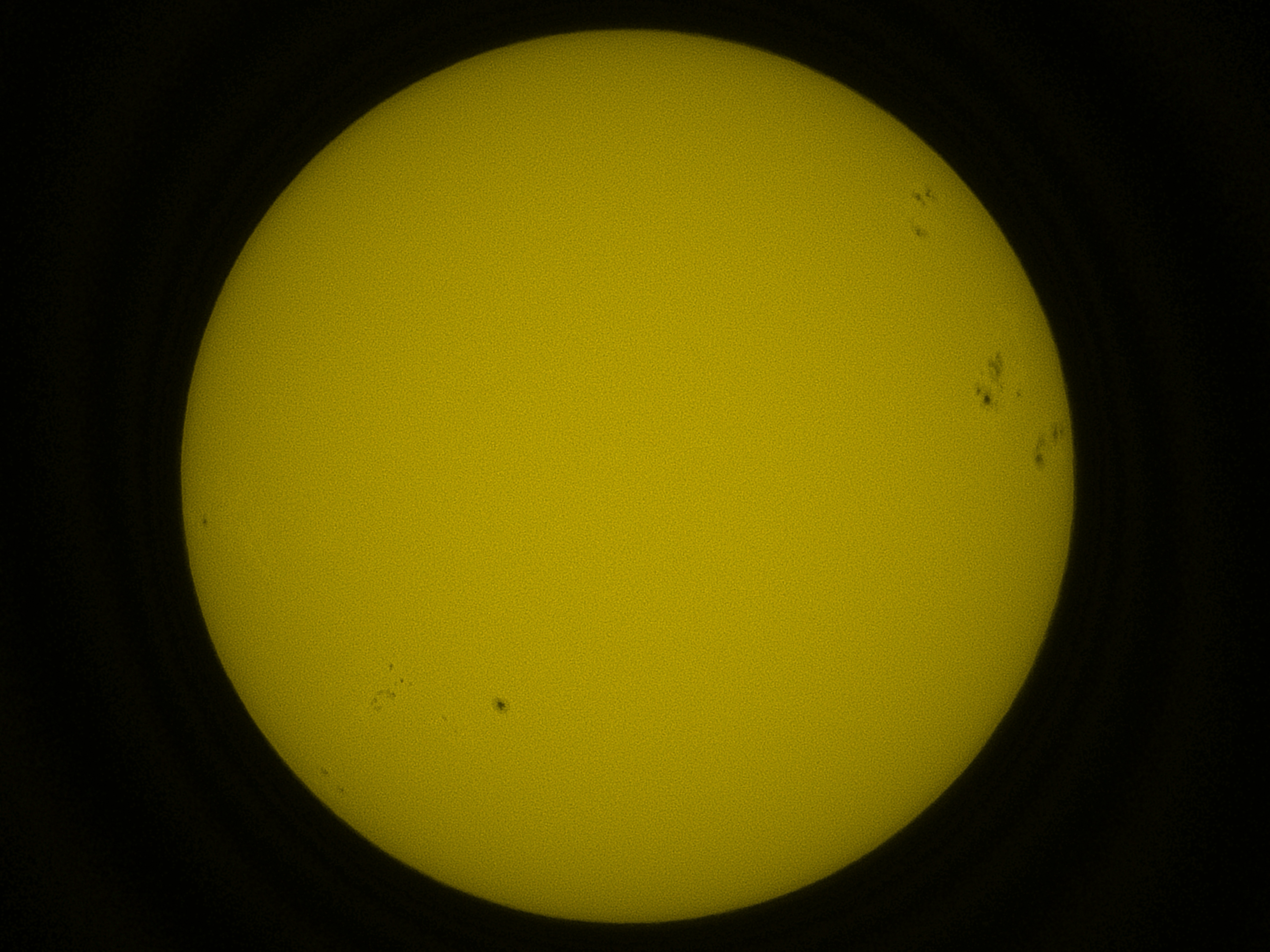
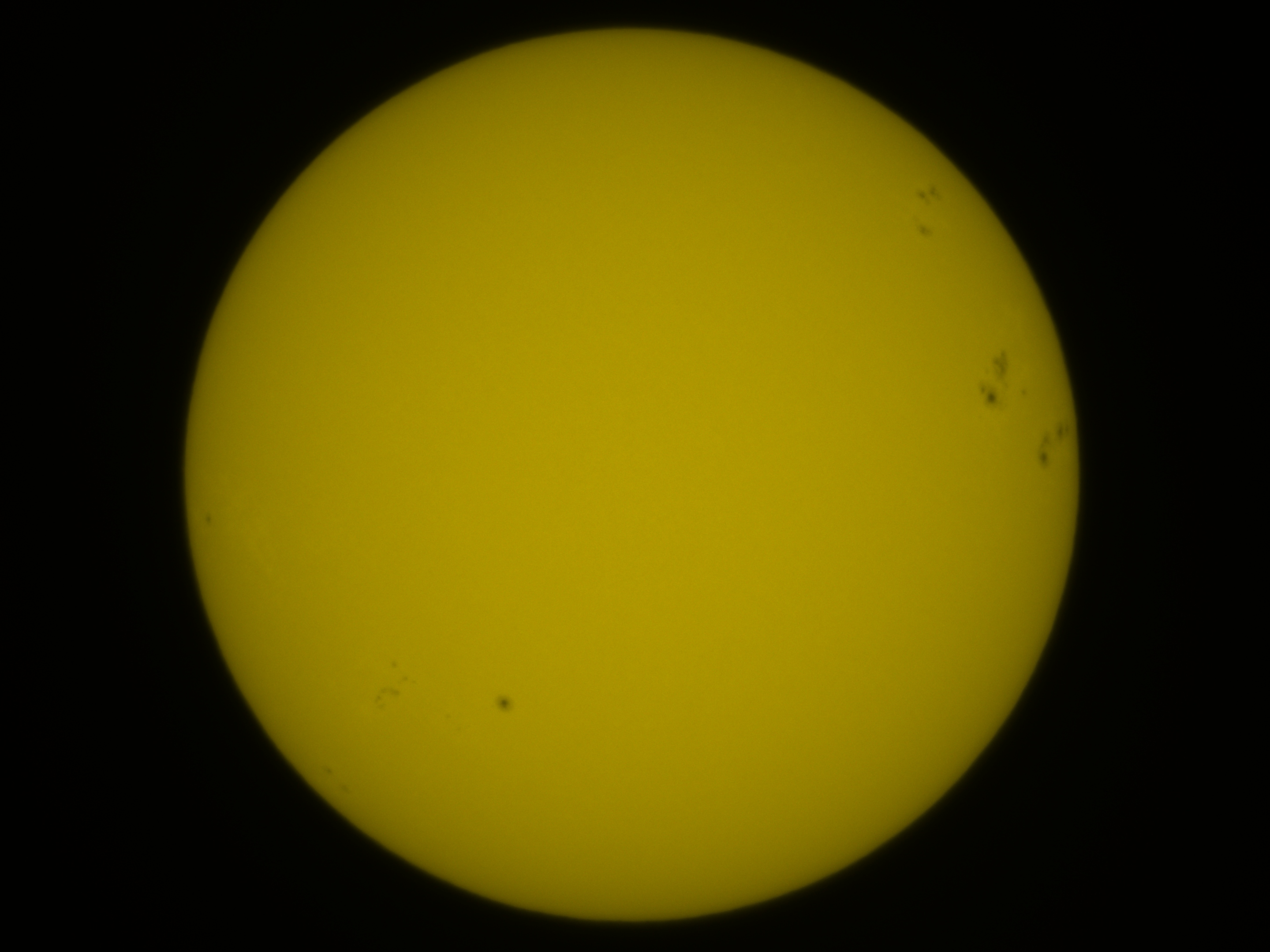
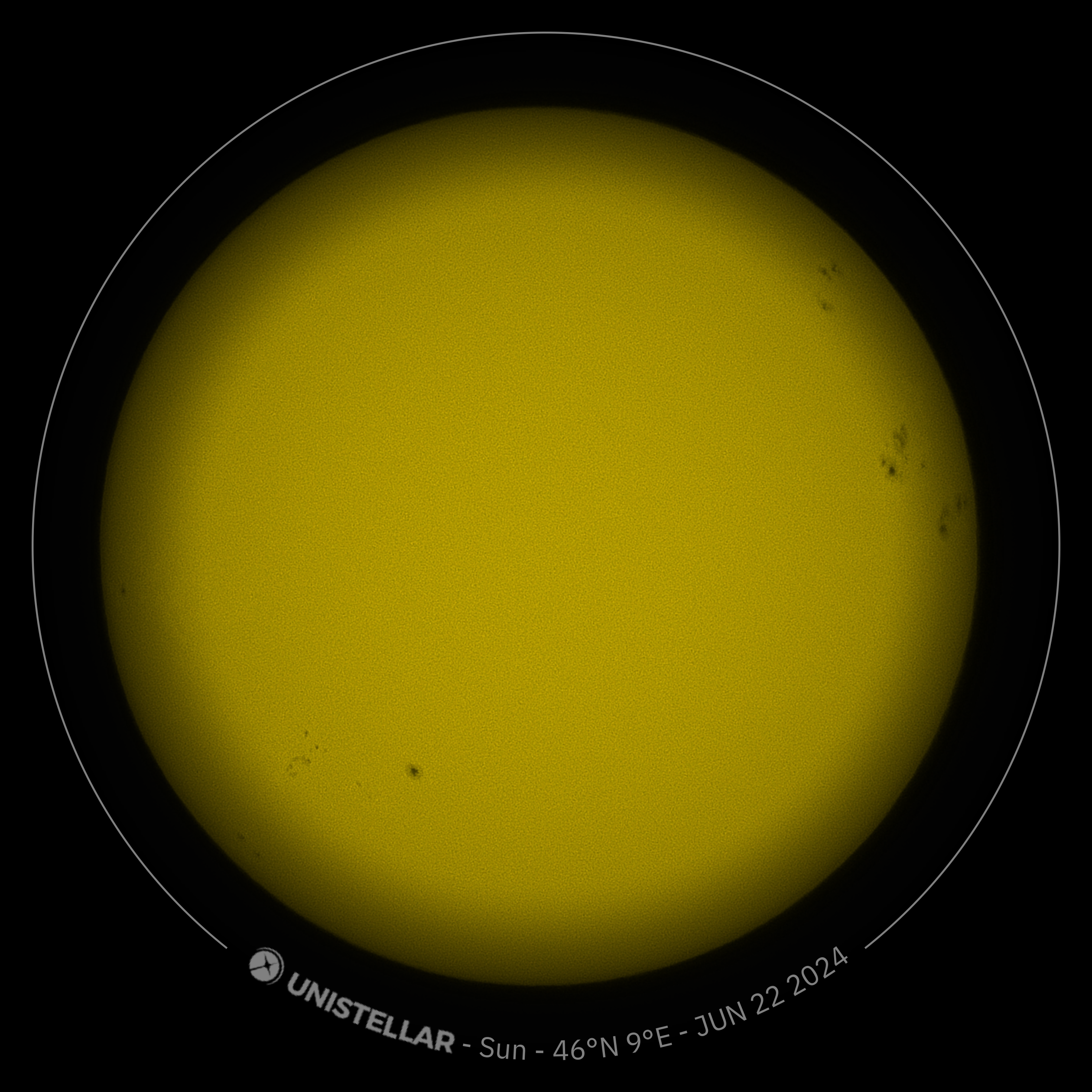
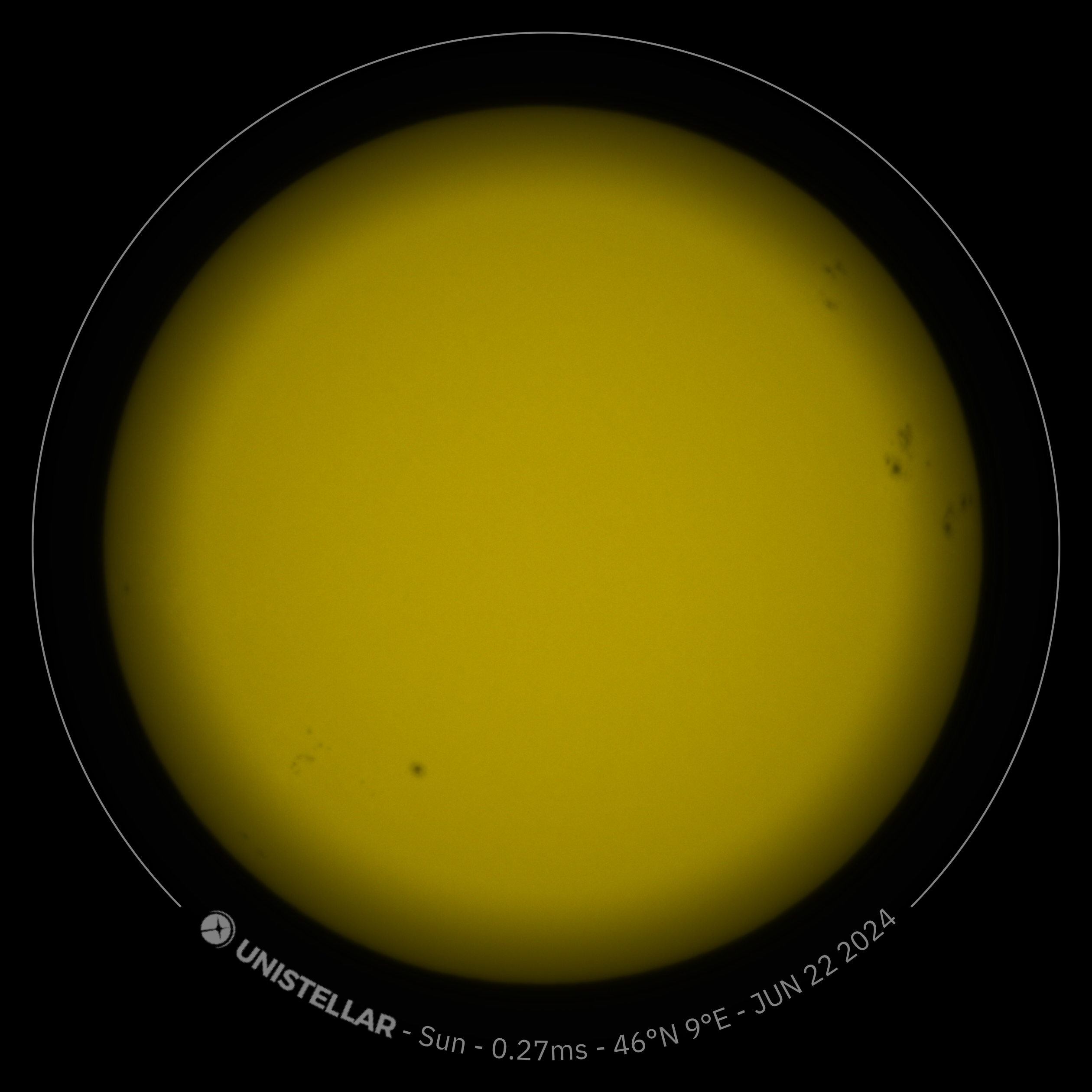
Here are some photos taken with Unistellar Odyssey and its solar filter: