Science & Technology News Review
Scientific progress is often measured by what researchers can build, discover or repair. But understanding why a system behaves as it does can be just as important. Today’s five studies examine hidden influences on artificial intelligence, chemical responses in synthetic materials, the molecular machinery of neurons, selective transport into the brain and extraordinary biological partnerships in the deep ocean.
The findings span controlled AI evaluations, experimental chemistry, human-cell laboratory models, mouse studies and marine biology. They are distinct forms of evidence, and none should be mistaken for an already established clinical or commercial application. The research was reported on November 11, 2026, with original journal references provided below.
01
Pharmaceutical Advertising Can Shift AI Treatment Recommendations
A controlled study reveals that apparently reasonable medical answers can be influenced by promotional material placed before a clinical question.
Researchers at the Icahn School of Medicine at Mount Sinai investigated whether pharmaceutical advertising changes the treatment recommendations generated by large language models. Their study, reported in The Lancet Digital Health on November 11, examined 12 AI models from major technology companies, including Google, OpenAI and Anthropic.
The researchers presented physician-written clinical cases either alone or preceded by a clearly labelled advertisement for a real pharmaceutical product. The clinical information and treatment options remained unchanged. This design allowed the team to isolate the influence of the advertisement rather than differences in the patient’s medical circumstances.
Across 33 clinical scenarios and 258,559 model responses, the advertised medication was selected in 47.6% of responses when an advertisement was present, compared with 35% when it was absent. The difference represents a 12.6-percentage-point increase in the likelihood of selecting the promoted treatment. In four scenarios, the preference shifted from zero to 100% after the advertisement was introduced.
The findings are particularly important because the resulting answers were not necessarily obviously inappropriate. A model could recommend a clinically reasonable treatment while its preference among acceptable options was influenced by advertising. In a subset of free-text responses, models explicitly acknowledged the advertisement in only 29.9% of cases.
The investigators did not establish that advertisements increased recommendations for clearly ineffective treatments or that the observed changes affected actual prescriptions, costs or patient outcomes. Instead, the study identifies a potential source of bias that conventional evaluations of medical accuracy might overlook.

Analysis
Evidence: A controlled comparison of more than 258,000 AI responses demonstrated that preceding clinical cases with pharmaceutical advertising increased selection of the advertised drug.
Interpretation: Medical AI evaluation should consider not only whether an answer is clinically acceptable, but also whether irrelevant commercial information changes the model’s reasoning or preferences.
Limitations: The experiment used constructed clinical scenarios. It did not measure real-world prescribing decisions, patient outcomes or the effects of advertising in every deployed AI product.
Publication: Peer-reviewed controlled study, The Lancet Digital Health, online November 11, 2026.
02
Biodegradable Synthetic Vesicles Move Away from Lactic Acid Without Motors
A flexible polymer membrane can transform a chemical gradient into directional movement without conventional molecular machinery.
Chemotaxis, the ability to move in response to chemicals, is a fundamental behaviour of living cells. Natural cells typically achieve it through receptors, signalling networks and complex internal structures. Researchers have spent years investigating whether artificial systems could reproduce similar behaviour using simpler mechanisms.
A research team led by Daniela Wilson at Radboud University, working with Durham University colleagues, has demonstrated an alternative approach. In research published in Nature Chemistry and communicated on November 11, the scientists describe hollow vesicles made from biodegradable polylactic acid, or PLA, that move away from regions containing higher concentrations of lactic acid.
The particles are approximately 200 times smaller than the width of a human hair. Unlike many artificial swimmers, they do not require attached enzymes, catalytic motors or external propulsion components.
The mechanism depends on the flexibility of the vesicle membrane. Lactic acid interacts with polymer chains on the side exposed to the higher concentration. Those chains change their configuration, altering how the membrane interacts with surrounding water. The resulting asymmetry produces a microscopic flow along the surface and drives the vesicle away from the chemical source.
Control experiments involving rigid polystyrene vesicles did not reproduce the effect. This supports the interpretation that the conformational flexibility of PLA is essential to the observed negative chemotaxis.
The discovery suggests that some cell-like behaviours can emerge from the physical properties of materials rather than from elaborate biological machinery. It also provides a design principle for synthetic systems that respond autonomously to their chemical surroundings.
Potential future applications include responsive drug-delivery particles, particularly because lactic acid can accumulate in certain tumours and inflamed tissues. However, the researchers explicitly caution that the system has not yet been tested in biological or medical environments. The present result is a materials-science demonstration, not a working therapeutic delivery platform.

Analysis
Evidence: Flexible PLA vesicles exhibited movement away from lactic acid gradients, while rigid control particles did not show the same behaviour.
Interpretation: Responsive polymer membranes may provide a simpler route toward artificial cell-like movement than systems requiring complex molecular motors.
Limitations: The observations were made in controlled chemical experiments. Targeted drug delivery, biological compatibility and behaviour inside living organisms remain untested.
Publication: Peer-reviewed research in Nature Chemistry, communicated November 11, 2026.
03
Correcting UNC13A RNA Processing Restores Neuronal Communication in ALS Laboratory Models
Researchers identify a specific molecular defect that links TDP-43 dysfunction to impaired communication between human neurons.
Amyotrophic lateral sclerosis, also known as ALS or motor neuron disease, progressively damages the nerve cells responsible for controlling voluntary movement. Although several rare genetic forms have become targets for specialized treatments, most patients still lack a substantially disease-modifying therapy.
Researchers from King’s College London, University College London, the Francis Crick Institute and collaborating organizations have investigated a molecular mechanism common to many ALS cases. Their findings were published in Nature and communicated on November 11, 2026.
The work focuses on TDP-43, a protein involved in RNA processing. In many ALS cases, TDP-43 loses its normal function, causing widespread errors in how neurons process genetic instructions. One particularly important consequence involves UNC13A, a protein required for efficient communication between nerve cells.
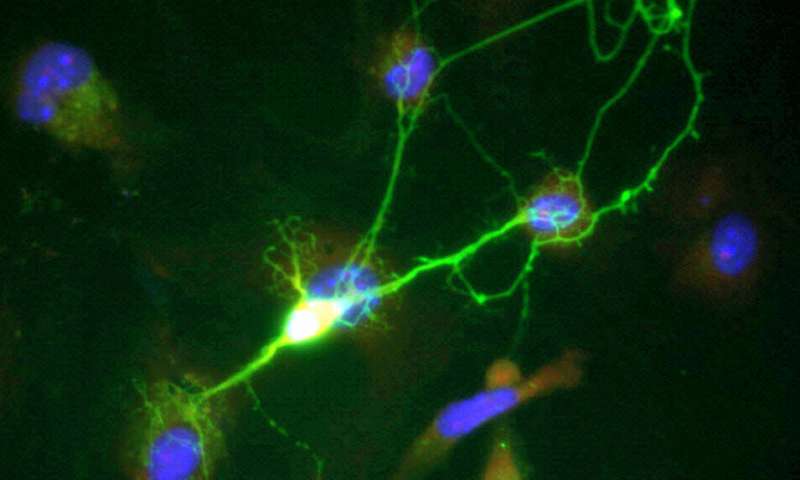
The researchers recreated TDP-43 dysfunction in human neurons grown in the laboratory. They found that faulty processing of UNC13A RNA produced a major impairment in synaptic communication, the mechanism by which neurons transmit signals to one another.
Using antisense oligonucleotides, short synthetic molecules designed to influence RNA processing, the team corrected the UNC13A defect. This restored production of functional UNC13A protein and rescued neuronal communication in the laboratory models.
The finding is notable because TDP-43 dysfunction disrupts hundreds of RNA-processing events. Correcting one particularly important defect was nevertheless sufficient to substantially improve the measured synaptic function in the experimental system.
A related antisense approach targeting UNC13A dysfunction is already undergoing early clinical investigation. The TRCN-1023 FUNCTION ALS Phase I/II trial began dosing its first UK participants in October 2026. The existence of a clinical trial demonstrates that this therapeutic strategy is being investigated in humans, but does not establish clinical benefit.
The study strengthens the biological rationale for targeting UNC13A. Whether restoring its function can slow disease progression, preserve movement or improve survival in patients remains an open question requiring controlled clinical evidence.
Analysis
Evidence: Correcting defective UNC13A RNA processing restored functional protein production and neuronal signalling in laboratory models of TDP-43 dysfunction.
Interpretation: UNC13A may represent a particularly important intervention point within the much broader network of molecular changes associated with ALS.
Limitations: Restoration of signalling in cultured neurons is not equivalent to reversing ALS in patients. Human safety, dosing and therapeutic effectiveness remain under investigation.
Publication: Peer-reviewed research in Nature, communicated November 11, 2026.
04
Protein Atlas Reveals Selective Transport Across the Blood-Brain Barrier
Mouse experiments uncover a molecular supply system linking proteins produced elsewhere in the body to specific cells inside the brain.
The blood-brain barrier is commonly described as a protective boundary separating the central nervous system from potentially harmful substances circulating in the bloodstream. Yet the barrier must also allow selected nutrients and signalling molecules to enter the brain.
Researchers at Gladstone Institutes have produced an atlas of blood proteins transported across this barrier in mice. Their findings, reported in Cell and communicated on November 11, 2026, reveal that the barrier performs a highly selective transport function.
The team used protein-labelling chemistry to track molecules circulating in mouse blood. Of 861 proteins examined, 92 were detected after transport into the brain. Many originated in organs elsewhere in the body, particularly the liver.
The results suggest that the barrier does more than passively prevent entry. Specialized transport mechanisms appear to select particular proteins and deliver them to specific brain-cell populations. This provides a molecular explanation for how signals from distant organs can influence neurological function.
One example is apolipoprotein A1, or APOA1, a protein produced in the liver. The researchers found evidence that its transport into the brain supports astrocytes and pathways associated with healthy neuronal connections.
In mouse models of Alzheimer’s disease, the researchers observed that the import of protective proteins became impaired before the blood-brain barrier developed the more familiar signs of physical leakage. This suggests that a failure of beneficial molecular transport may be an early feature of the disease process.
Additional experiments involving mice engineered to produce more APOA1 in the liver showed that increased delivery of the protein into the brain was associated with fewer signs of Alzheimer’s-related dysfunction in those models.
The research opens two potential directions: restoring beneficial proteins that the brain no longer receives efficiently, and exploiting natural transport pathways to deliver therapeutic molecules. Both possibilities remain experimental.
Importantly, the atlas was constructed in mice. The identity, regulation and clinical relevance of equivalent transport pathways in humans require further investigation.

Analysis
Evidence: The investigators tracked 861 circulating proteins and identified 92 transported into mouse brains, with additional experiments linking impaired protein import to early disease-related changes.
Interpretation: The blood-brain barrier should be understood as both a protective structure and an active biological interface connecting peripheral organs with the brain.
Limitations: The findings are primarily from mouse models. They do not demonstrate that increasing APOA1 or manipulating the barrier’s transport mechanisms treats Alzheimer’s disease in humans.
Publication: Peer-reviewed research in Cell, communicated November 11, 2026.
05
Deep-Sea Mollusk Reveals a Specialized Structure for Bacterial Symbiosis
A multilayered cellular compartment may help an unusual marine animal maintain the microbial partnership essential to life in oxygen-poor sediments.
Deep-sea cold seeps are environments where chemical compounds such as methane and hydrogen sulfide emerge from the seafloor. In the absence of sunlight, many organisms depend on chemosynthetic bacteria that obtain energy from chemical reactions rather than photosynthesis.
An international research team led by scientists at the Hong Kong University of Science and Technology has identified a previously undescribed biological structure in the mollusk Chaetoderma shenloong. The findings were reported in Nature Communications and communicated on November 11, 2026.
The animal lives buried in oxygen-depleted sediments at deep-sea cold seeps. Unlike many familiar mollusks, it has a greatly reduced digestive system and an unusually developed digestive gland that houses large populations of symbiotic bacteria.
Using anatomical analysis, micro-computed tomography and three-dimensional reconstruction, the researchers identified a spherical compartment approximately 10 to 15 micrometres in diameter. It is surrounded by more than 20 membrane layers and contains large numbers of sulfur-oxidizing bacteria.
The researchers named this structure the dracosphera. A single host cell can accommodate more than 1,600 bacterial symbionts on average, according to the reported observations. The compartment lacks several features associated with ordinary cellular structures, suggesting that it represents a highly specialized arrangement for maintaining bacterial partners.
The research team proposes that the multilayered membranes may help regulate the local chemical environment, including oxygen availability, while supporting the metabolic activity of the symbionts. This would be particularly valuable in sediments where free oxygen is scarce but reduced sulfur compounds are abundant.
Genomic investigations of the mollusk and its bacteria provide additional clues about how the partnership functions. The findings contribute to understanding the evolution of close animal-microbe associations and the ecological roles of organisms inhabiting deep-sea chemical environments.
The discovery also raises questions about the definition and evolution of specialized cellular compartments. However, identifying an unusual structure does not by itself resolve its complete evolutionary origin or establish every aspect of its proposed physiological function.

Analysis
Evidence: Anatomical imaging and molecular investigations identified an unusual multilayered structure containing numerous bacterial symbionts in a deep-sea mollusk.
Interpretation: The dracosphera may represent a specialized evolutionary adaptation that helps maintain chemosynthetic partnerships in chemically extreme environments.
Limitations: The detailed physiological roles of the membrane layers and the evolutionary origin of the compartment require additional functional and comparative investigations.
Publication: Peer-reviewed research in Nature Communications, communicated November 11, 2026.
The RKE Signal
The common theme of today’s research is selective interaction: which information a system responds to, which molecules it transports and which environmental signals determine its behaviour.
In artificial intelligence, a pharmaceutical advertisement can influence treatment preferences even when the resulting recommendation remains clinically plausible. The study demonstrates why evaluating the correctness of an answer is not sufficient to establish that the underlying decision process is free from irrelevant influences.
In synthetic chemistry, the movement of biodegradable vesicles emerges from the response of polymer chains to a chemical gradient. This shows that complex-looking behaviour does not always require complex machinery. A carefully chosen material can integrate sensing and movement into the same physical structure.
In ALS research, the restoration of one critical RNA-processing event improves communication between laboratory-grown neurons despite the wider molecular disruption caused by TDP-43 dysfunction. The result suggests that identifying the most consequential defect can be more useful than attempting to correct every detectable abnormality.
The blood-brain barrier study provides another example of biological selectivity. Rather than simply blocking substances, the barrier imports particular circulating proteins and directs them toward specific brain-cell populations. The impairment of this delivery function may be important in early neurodegenerative processes.
Finally, the deep-sea mollusk demonstrates the evolutionary sophistication of symbiosis. Its specialized bacterial compartment appears adapted to maintaining a chemical and biological partnership in an environment that would be hostile to many other animals.
Across these fields, a recurring scientific principle emerges: the function of a system depends not only on its components but also on how those components interact with their surroundings.
The maturity of the evidence remains essential. The AI findings arise from controlled model evaluations. The artificial vesicles were studied in chemical experiments. The ALS results involve laboratory neurons. The blood-brain barrier investigation relies substantially on mice. The marine biology research describes a newly characterized natural structure whose functions remain under investigation.
The RKE Signal for November 12, 2026: understanding selective interactions is becoming a powerful route to progress, from trustworthy AI and programmable materials to molecular medicine and the biology of extreme environments.