Star Trek
01
Farewell, Walter Koenig: Chekov and the Promise of a Shared Future
Walter Koenig has died at 90. His work invites a fresh look at Chekov’s place in Star Trek’s vision of cooperation.
According to his representative’s statement reported by USA TODAY on October 26, Walter Koenig died at home in Los Angeles on October 25, 2026. He was 90. CBS News also reported his death. For audiences who discovered him as Pavel Chekov, the loss closes a deeply personal connection with the Enterprise’s original crew.
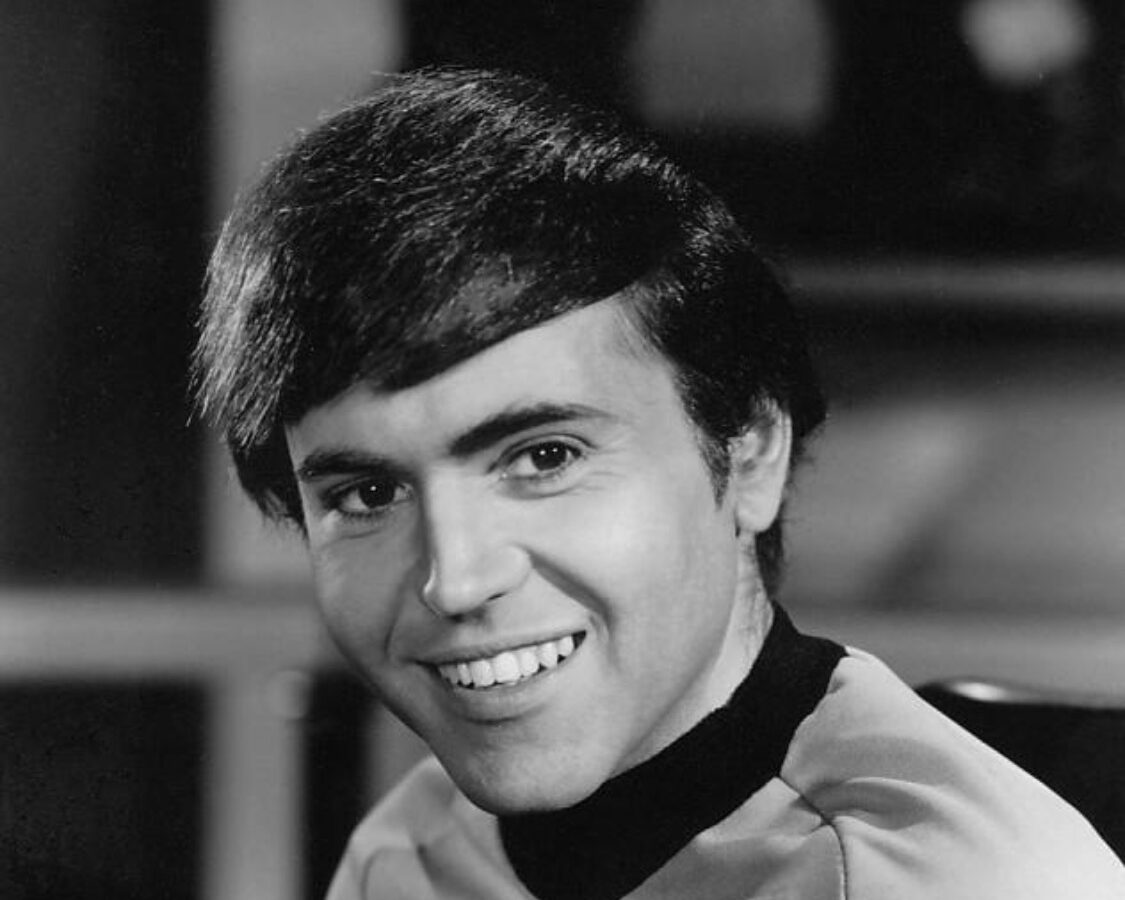
Koenig joined Star Trek in 1967. His Russian navigator made a hopeful proposition visible on American television during the Cold War: people divided by contemporary politics could become trusted colleagues in a common enterprise. The Hollywood Chamber of Commerce’s account of his career identifies that inclusion as a significant part of the character’s cultural importance.
His contribution continued across seven Star Trek feature films. The franchise’s official website also documents his writing for Star Trek: The Animated Series, his work in comics, and his activities as a director and teacher. In September 2012, he received a star on the Hollywood Walk of Fame, recognition of a career that extended well beyond a single bridge station.
Another side of that career emerged as Bester in Babylon 5. In a 2011 interview with StarTrek.com, Koenig described the character as an especially rewarding acting challenge, giving him room to experiment. Remembering both roles preserves the range of a performer whose most familiar screen identity was only part of his work.
Analysis
Editorial interpretation: Chekov’s enduring significance lies in how ordinary his place on the Enterprise became. A Russian officer could be competent, funny and dependable within a shared future. Science fiction cannot establish that political reconciliation will happen, but it can help audiences imagine it. Limits: the death report relies on his representative as quoted by news outlets, rather than an independently obtained family statement. The historical interviews and institutional biography provide career context, not confirmation of the death.
Key Takeaway
Koenig leaves a legacy in which an imagined future made cooperation feel familiar—and an actor’s curiosity carried him beyond the role that first made him famous.
