

Introduction
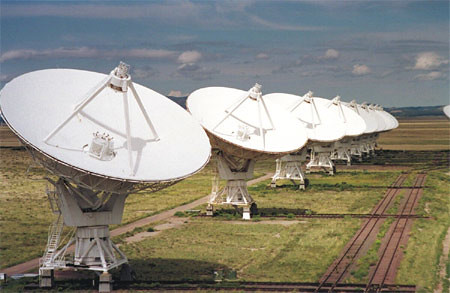
Radio telescopes are telescopes used to observe radio waves from space. They are similar to optical telescopes, which use visible light to observe distant objects, but instead of using light, they use radio waves. Radio telescopes are used to study a variety of phenomena, including cosmic microwave background radiation, supernovae, pulsars, and quasars. They can also be used to search for extraterrestrial life. Radio telescopes can be operated in a variety of sizes, from small single dishes to large arrays. By combining multiple telescopes, astronomers can create images of even more distant objects. Radio telescope technology has advanced significantly over the years, enabling more detailed observations of the universe.
Exploring the latest radio telescope technology and its potential impact on astronomy
Radio telescopes are an essential tool for modern astronomers, allowing them to make observations of celestial objects at radio frequencies. The technology behind radio telescopes has advanced significantly in recent years, enabling unprecedented levels of sensitivity and resolution. In this article, we will explore the latest radio telescope technology and its potential impact on the field of astronomy.
Radio telescopes are typically constructed from an array of individual antennas, which are then combined to form a single receiving dish. These antennas are designed to collect and amplify radio waves from various sources in space. By combining the signals from the antennas, the telescope can create a more detailed image of the source.
The latest radio telescope technology has been designed to provide improved performance, both in terms of sensitivity and resolution. This has been achieved through the use of larger antenna arrays and improved signal processing techniques. Additionally, new software is being developed to enable more efficient signal processing, resulting in more accurate images.
The increased sensitivity and resolution of these new systems will allow astronomers to study a wide range of sources, including pulsars, supernova remnants, and even gravitational waves. Furthermore, improved signal processing techniques will allow astronomers to detect faint signals that were previously undetectable. This could lead to the discovery of new phenomena, as well as a better understanding of existing phenomena.
The increased sensitivity and resolution of radio telescopes will also enable improved studies of the interstellar medium. This will allow astronomers to better understand how stars and galaxies form and evolve. Furthermore, it could help detect and characterize exoplanets, as well as other objects that may exist outside our Solar System. Overall, the latest advances in radio telescope technology have the potential to significantly increase our understanding of the Universe. By allowing us to observe previously undetectable sources, these new systems could lead to discoveries that will shape our understanding of the cosmos for years to come.
Making the Most of Your Radio Telescope: Tips for Beginner Radio Telescope Users
Using a radio telescope can be an exciting and rewarding experience. As a beginner, however, it’s important to understand the basics of using a radio telescope before attempting more advanced operations. This article offers tips on best practices for using a radio telescope, so you can get the most out of your experience.
The first step in using a radio telescope is to mount it securely. Once the telescope is in position, make sure the antenna is pointed in the right direction and the focus is adjusted correctly. This will ensure the telescope receives the strongest possible signals and optimal image quality.
Next, be sure to familiarize yourself with the software that controls your radio telescope. Read the user manual and pay attention to any warnings and instructions. Take the time to learn how to use the software features so you can get the most out of your telescope. Once you have a good understanding of how to use the software, you should take advantage of the telescope’s tracking capabilities. This will allow you to monitor a particular object in the sky for an extended period of time, giving you a better chance of capturing a good image.
Finally, be sure to keep your telescope well-maintained. Regularly check the telescope’s optics and ensure all components are working properly. This will help ensure you are able to produce high-quality images and that your telescope will last for many years. By following these tips, you can make the most of your radio telescope experience. With a little practice and patience, you will soon be able to produce breathtaking images of the night sky.
The Role of Radio Telescope Technology in Exploring the Universe
Radio telescope technology has been crucial in advancing our understanding of the Universe. Radio astronomy is the study of the universe beyond visible light, and radio telescopes are instruments that detect and measure radio waves. The first radio telescopes were used in the mid-20th century to detect cosmic radio sources, and the technology has evolved significantly since then.
Modern radio telescopes are incredibly powerful instruments that allow us to explore space and the universe. They are used to measure radio waves emitted by the universe and allow us to observe objects that are not visible to the naked eye. Radio telescopes allow us to detect and measure distant galaxies, black holes, and stars, as well as other phenomena such as cosmic dust and gas. They also allow us to study the dynamics of the interstellar medium and search for evidence of extraterrestrial life. Radio telescope technology is also used to map the universe and its structures, including the Milky Way, and to build a better understanding of the history and evolution of the universe. By combining radio telescope data with observations from other types of telescopes, such as X-ray and infrared telescopes, scientists can create an even more detailed picture of the universe.
Radio telescope technology has been essential in our exploration of the universe and will continue to be a fundamental tool in the future. It allows us to detect and measure phenomena that would otherwise remain unobserved, and has allowed us to build an increasingly detailed and accurate understanding of the universe and its structure.
How radio telescope technology is used in SETI research and beyond
Radio telescope technology is a key tool in the ongoing search for extraterrestrial intelligence (SETI). This technology is used to detect potential signals from extraterrestrial civilizations, such as radio frequency emissions from stars or other galaxies. Radio telescopes can detect and measure very faint signals, even those millions of light-years away.
Radio telescopes work by collecting radio waves, which are a form of electromagnetic radiation. These waves are collected by the telescope’s antenna, which consists of a large dish. The dish is used to focus the waves onto a receiver, which then amplifies the signal and feeds it to a computer. This computer then processes the data and can detect signals too faint for the human ear.
Radio telescopes are used in SETI research in several ways. The most common approach is to use the telescope to search for radio signals from potential extraterrestrial civilizations. By detecting and measuring the strength of these signals, astronomers can determine whether they are consistent with known forms of communication from intelligent life.
Radio telescopes are also used to study objects in the universe that emit radio waves. This includes stars, galaxies, and even black holes. By studying these objects, astronomers can gain insights into the formation and evolution of the universe, as well as learn more about the conditions that may be necessary for the emergence of life. Finally, radio telescopes are used for more mundane tasks, such as navigation. For example, ships and airplanes can use radio signals to determine their position and even find their way in low-visibility conditions.
Radio telescope technology is an invaluable tool for SETI research and other astronomical studies. With their ability to detect and measure extremely faint signals, they are helping us explore the universe in ways never before possible.
Conclusion
Radio telescope technology has advanced significantly since its invention, allowing us to explore the depths of the universe with greater precision and detail than ever before. Data collected by radio telescopes have greatly expanded our knowledge of the universe, its composition, and the objects that inhabit it. Radio telescope technology continues to evolve, providing us with new and exciting opportunities to explore the cosmos. As this technology continues to develop, we can look forward to gaining a greater understanding of the mysteries of the universe.